
Understanding Dust Mite Allergy and Indoor Air
Dust mites are microscopic organisms that thrive in soft furnishings and feed on shed human skin cells. For many people, the mites themselves are less of a problem than their waste and body fragments, which can trigger allergy and asthma symptoms.
Because dust mites depend on moisture and accumulate in bedding, mattresses, carpets, and upholstery, indoor air management becomes a key part of controlling symptoms. Humidity, bedding practices, and air filtration all work together to reduce exposure.
Common Symptoms of Dust Mite Allergy
Dust mite allergy symptoms often resemble hay fever and can overlap with asthma. They may include:
- Frequent sneezing or a runny, stuffy nose
- Itchy or watery eyes
- Postnasal drip, throat clearing, or cough
- Worsening symptoms in bed or upon waking
- Wheezing, chest tightness, or shortness of breath in people with asthma
Symptoms tend to be persistent rather than strictly seasonal, because dust mite exposure occurs year-round.
Humidity Targets for Dust Mite Control
Relative humidity (RH) is one of the main environmental factors that determine whether dust mites can thrive. Mites absorb moisture from the air; if the air is too dry, they struggle to survive and reproduce.
Ideal Indoor Humidity Range
For both human comfort and dust mite control, many indoor air quality guidelines recommend maintaining relative humidity in a moderate range. A commonly cited target is:
- Around 40% to 50% relative humidity for most homes
This range is low enough to discourage dust mite growth yet high enough to avoid extremely dry air that can irritate skin and airways. Some people with significant dust mite allergy may aim toward the lower part of this range, but extremely low humidity can cause its own problems, such as dry eyes, nosebleeds, and irritated airways.
How Humidity Affects Dust Mites
Dust mites depend on ambient moisture to survive. Key relationships between humidity and dust mites include:
- High humidity (above roughly 50–60%) supports dust mite survival and reproduction.
- Persistently moderate to low humidity (below about 50%) makes it harder for mites to thrive and can reduce populations over time.
- Short-term humidity swings are less important than the average level over weeks and months.
Because mites live deep in fabrics, sustained humidity control is more effective than brief adjustments.
Using Humidifiers and Dehumidifiers Wisely
Depending on your climate, you may need either a humidifier, a dehumidifier, or both at different times of year to maintain your target humidity.
- Humidifiers add moisture to dry indoor air, which can be helpful in cold climates during winter. For dust mite allergy, avoid over-humidifying, and regularly check humidity so it does not climb much above 50%.
- Dehumidifiers remove excess moisture in humid climates or damp spaces such as basements. They are often useful if indoor humidity tends to stay above 50–60%.
Regardless of device type, using a separate hygrometer or an indoor air quality monitor with humidity sensing can help you avoid guessing. Aim for stable humidity rather than frequent swings between very dry and very humid conditions.
Ventilation and Moisture Sources
Mechanical or natural ventilation is another important tool. Even without dedicated devices, you can often improve humidity control by managing moisture sources:
- Use exhaust fans in bathrooms and kitchens when showering or cooking.
- Dry clothes using a vented dryer or outside the living space when possible.
- Address leaks, damp foundations, or condensation around windows promptly.
- Open windows when outdoor conditions are drier than indoors and air quality is acceptable.
Reducing indoor moisture loads can make it easier to keep relative humidity in the desired range with smaller devices and less energy.
Bedding Strategies for Dust Mite Reduction
Beds are a major reservoir for dust mites because they combine warmth, humidity from body moisture, and a steady supply of skin flakes. Adjusting bedding and mattress care can significantly reduce allergen exposure, especially at night.
Allergen-Proof Covers
Allergen-proof encasements are tightly woven covers designed to create a barrier between you and dust mite allergen in pillows, mattresses, and box springs. Key points include:
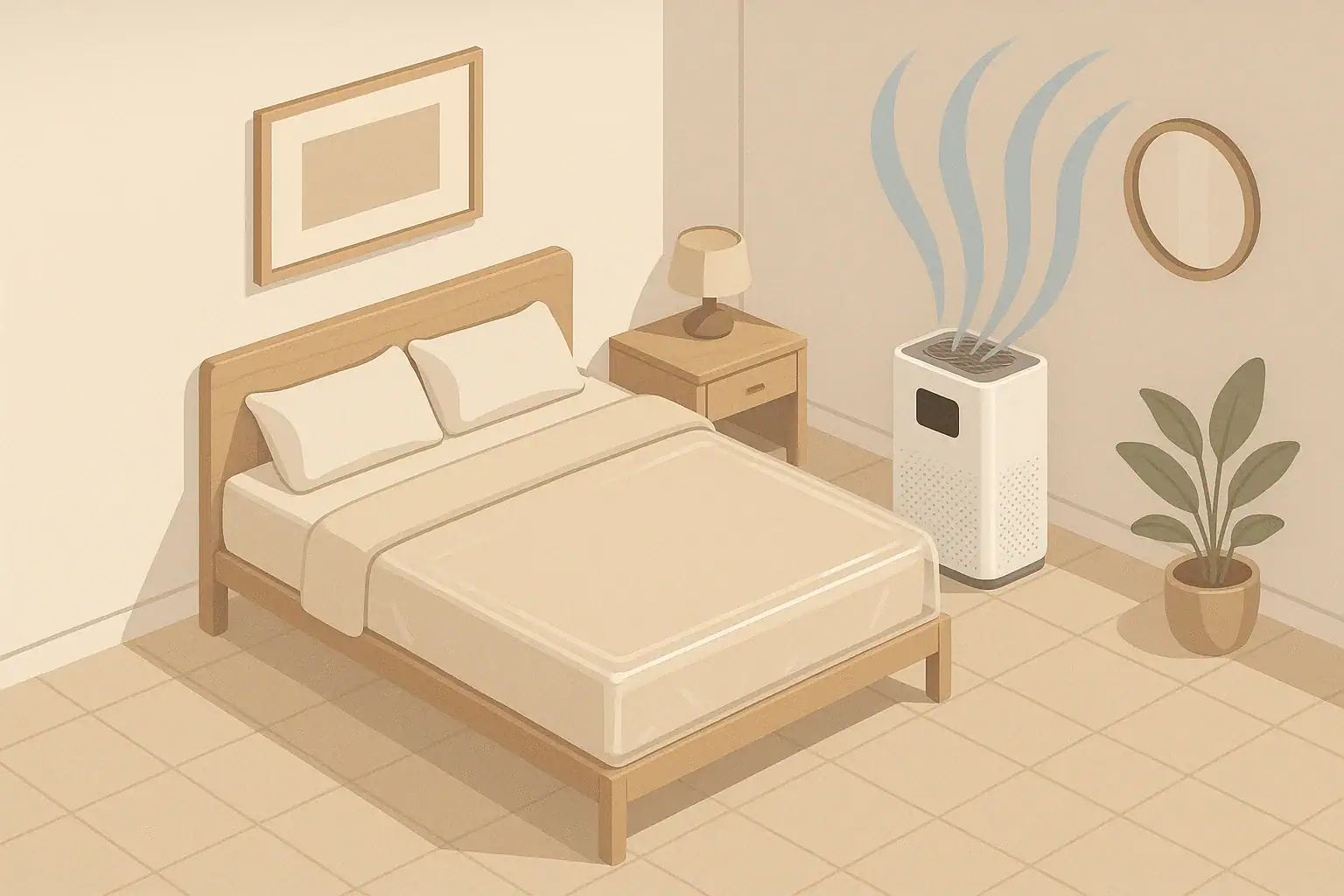
- Mattress encasements fully zip around the mattress and help trap existing mites and allergens inside, preventing them from escaping into the air.
- Pillow covers are important because your face is close to the pillow for many hours each night.
- Box spring covers can be used if the box spring has fabric surfaces where dust can collect.
When choosing covers, look for tightly woven fabrics designed for allergen reduction. Smooth, breathable materials are often more comfortable and can reduce noise compared to plastic-like covers.
Washing and Laundry Practices
Washing bedding effectively helps remove both dust mites and allergens. Consider the following practices:
- Wash sheets, pillowcases, and blankets weekly in hot water when possible.
- Hot water cycles are generally recommended for dust mite control; if your fabrics cannot tolerate high temperatures, a longer wash cycle and thorough drying can still help remove some allergen.
- Dry items completely before placing them back on the bed to avoid creating a damp environment where mites can thrive.
- Wash comforters, duvets, and mattress protectors periodically according to care instructions.
For very sensitive individuals, keeping non-washable decorative pillows or heavy, non-washable bedding out of the sleeping area can further reduce accumulations.
Mattresses, Pillows, and Soft Furnishings
Dust mites build up in older mattresses, pillows, and upholstered furniture over time. Some considerations:
- Replace pillows periodically if they are very old or cannot be washed.
- Vacuum mattresses with a vacuum cleaner that has effective filtration, especially before encasing them in covers.
- Simplify the bedroom by minimizing plush toys, thick fabric headboards, and heavy curtains, especially near the bed, if dust mite allergy is significant.
In children’s rooms, consider washable stuffed toys and wash them periodically. Rotating toys and storing some outside the bedroom can also help limit allergen buildup.
Flooring and Rugs in the Bedroom
Floor coverings influence how much dust collects near the sleeping area:
- Hard flooring such as wood, tile, or vinyl is generally easier to clean thoroughly than wall-to-wall carpet.
- If carpeting is already installed, use a vacuum with good filtration and vacuum regularly, especially near the bed.
- Washable area rugs that can be laundered in hot water can be a practical compromise.
For many people, focusing dust reduction efforts on the bedroom provides noticeable benefit, even if the rest of the home is not fully optimized.
Air Filtration and Dust Mite Allergen
Dust mites themselves mainly live in fabrics and surfaces, but their allergen particles become airborne when disturbed and then settle again. Air filtration can help reduce airborne allergen levels, especially in frequently used rooms.
How Air Purifiers Help with Dust Mite Allergy
Air purifiers equipped with high-efficiency particle filters are designed to capture small airborne particles, including many allergens. For dust mite allergy, they are most helpful in two ways:
- Capturing airborne allergen fragments that become suspended when you make the bed, walk on carpets, or move around the room.
- Reducing overall particle load in indoor air, which can lessen irritation of sensitive airways.
Filtration does not remove mites from mattresses or carpets, so it works best alongside bedding and cleaning measures rather than as a stand-alone solution.
Filter Efficiency and Particle Size
Dust mite allergen particles are typically small enough that they require efficient filtration to be removed from the air. When assessing filter performance, consider:
- High-efficiency particulate filters designed to capture fine particles such as dust, pollen, and pet dander.
- A good seal around the filter so air does not bypass it at the edges.
- Pre-filters to trap larger dust and hair, helping the main filter last longer and maintain performance.
For central HVAC systems, high-efficiency furnace filters can help reduce dust throughout the home if the system runs frequently enough and the filter is properly fitted.
Placement and Operation for Maximum Benefit
How you use air filtration equipment matters almost as much as the device itself. To get the most from it for dust mite allergy:
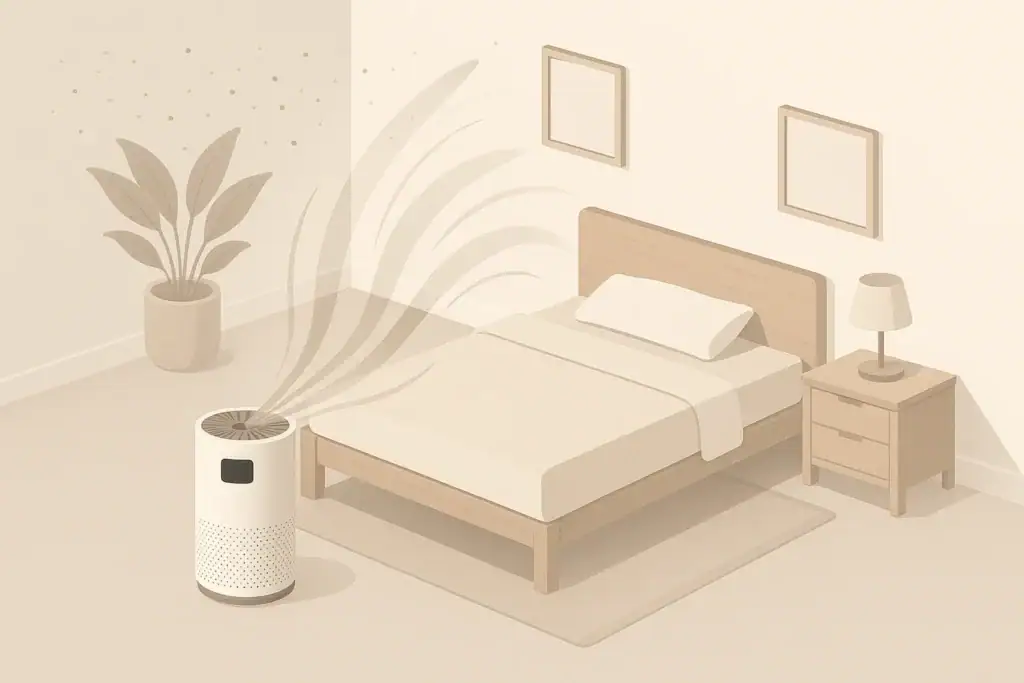
- Place portable units near the bed or in commonly used areas so they process the air you breathe most often.
- Allow continuous or extended operation at a suitable speed to maintain lower particle levels rather than running it only occasionally.
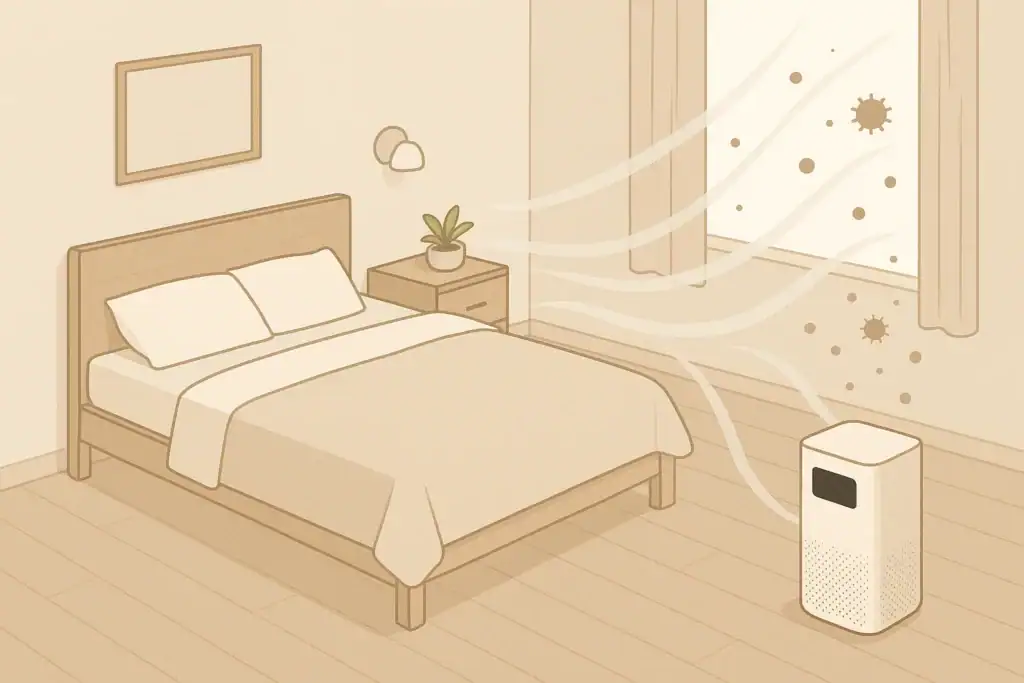
- Keep doors and windows mostly closed in the room you are treating, unless you are using outdoor air for ventilation and conditions are favorable.
For whole-house systems, regular operation of the fan can circulate air through the central filter more consistently, though energy use and comfort should also be considered.
Maintenance: Filters and Cleaning
Clogged or saturated filters cannot capture particles effectively. Maintenance is essential:
- Replace or clean filters according to manufacturer guidance and household conditions. Homes with pets, smokers, or heavy dust may need more frequent changes.
- Vacuum air intakes and pre-filters periodically to remove lint and large debris.
- Maintain HVAC system filters on a routine schedule, especially during seasons of heavy use.
Combining regular filtration maintenance with cleaning and humidity control often yields better symptom relief than focusing on any single measure alone.
Cleaning, Vacuuming, and Surface Dust Control
Even with bedding encasements and air filtration, settled dust remains a key source of mite allergen. Routine cleaning can help remove dust before it becomes airborne again.
Vacuuming Techniques
Vacuuming is a central component of dust control. Consider these practices:
- Use a vacuum with an effective particle filter to reduce the chance of allergens blowing back into the room air.
- Vacuum carpets, rugs, and upholstered furniture regularly, especially in the bedroom and living areas.
- Vacuum mattress surfaces, box springs, and bed frames before encasing or when changing bedding.
- If someone with severe allergies is present, they may wish to stay out of the room during and shortly after vacuuming to avoid exposure to temporarily increased airborne particles.
Damp Dusting and Surface Cleaning
Dry dusting can push particles into the air. For sensitive individuals, alternative methods can be beneficial:
- Use a slightly damp cloth or a microfiber cloth designed to trap dust rather than spread it.
- Clean horizontal surfaces such as nightstands, window sills, shelves, and headboards regularly.
- Pay attention to areas near bedding and airflow paths from vents or fans where dust can accumulate.
Floor cleaning methods such as damp mopping or using equipment designed to pick up fine dust can complement vacuuming, especially on hard flooring.
Monitoring and Adjusting Your Environment
Dust mite allergy management is an ongoing process. Monitoring your indoor environment and symptoms helps you fine-tune your approach.
Tracking Humidity and Air Quality
A few simple tools can give you useful feedback:
- Hygrometers or indoor air quality monitors with humidity sensors to confirm that RH stays near your target range.
- Optional particle or PM sensors to see how filtration and cleaning affect airborne particles over time.
While numbers are only part of the picture, they help you understand how weather, seasons, and daily activities influence indoor conditions.
Adjusting Strategies Over Time
It can be helpful to introduce changes gradually and note any differences in symptoms. For example:
- After encasing bedding, observe whether morning congestion or sneezing improves over a few weeks.
- Once humidity is stabilized within the desired range, track any change in nighttime symptoms or the frequency of flare-ups.
- Evaluate how air filtration and cleaning routines influence comfort during peak allergy seasons or weather changes.
Combining multiple moderate interventions often works better than relying on a single major change.
Putting It All Together for Practical Control
Managing dust mite allergy involves coordinating humidity control, bedding strategies, filtration, and cleaning rather than relying on one solution alone. Maintaining indoor humidity around the mid-range, encasing mattresses and pillows, washing bedding regularly, using effective air filtration, and cleaning surfaces thoughtfully can collectively reduce allergen exposure.
Because each home and climate is different, some trial and adjustment is often necessary. By tracking both indoor conditions and how you feel, you can refine a set of habits and tools that keep dust mite exposure manageable over the long term.
Frequently asked questions
What relative humidity should I aim for to reduce dust mite populations without causing dry-air problems?
Most guidance recommends keeping indoor relative humidity around 40% to 50% to discourage dust mite growth while avoiding excessively dry air. Sensitive individuals may aim toward the lower part of that range, but very low humidity can cause dry skin and airway irritation, so balance is important. Use a hygrometer to monitor and maintain a stable level rather than allowing frequent large swings.
How long must humidity stay below target to meaningfully reduce dust mite levels?
Because mites live deep in fabrics, reductions in humidity need to be sustained over weeks to months to noticeably lower populations and allergen levels. Short-term drops are less effective; combining sustained humidity control with cleaning, washing bedding, and encasing mattresses speeds improvement. Expect gradual changes rather than immediate elimination of symptoms.
Can using a humidifier in winter make dust mite allergy worse?
Humidifiers can worsen dust mite conditions if they raise indoor relative humidity above about 50%, which supports mite survival. To avoid this, monitor RH with a hygrometer, operate the humidifier conservatively, and keep the device clean to prevent microbial growth. If indoor air becomes persistently above the target range, consider reducing humidifier use or using a dehumidifier when needed.
Will an air purifier remove dust mite allergens from my mattress and pillows?
Air purifiers with high-efficiency particle filtration can capture airborne allergen fragments when they become suspended, but they do not remove mites embedded in mattress or upholstery. For the best reduction in exposure, use air filtration alongside mattress and pillow encasements, regular laundering, and vacuuming. Purifiers are most useful for lowering airborne particles while cleaning or during disturbances.
What bedding routine most effectively lowers exposure to dust mite allergens?
Wash sheets, pillowcases, and washable blankets weekly in the hottest water safe for the fabric, and dry thoroughly before reuse. Use tightly woven allergen-proof encasements for mattresses and pillows, vacuum mattress surfaces before encasing when possible, and replace or wash pillows according to care instructions. These steps combined with humidity control and regular cleaning produce the best results.
Recommended next:
- Clear sizing logic (room size → CADR/ACH)
- HEPA vs carbon explained for real use-cases
- Humidity + ventilation basics to reduce mold risk






About this site
Home Air Quality Lab publishes practical, independent guides about indoor air quality—clear sizing, safer use, and real-world expectations.
Affiliate disclosure
Some links on this site may be affiliate links. If you buy through these links, we may earn a small commission at no extra cost to you. This helps support our content. Learn more.