
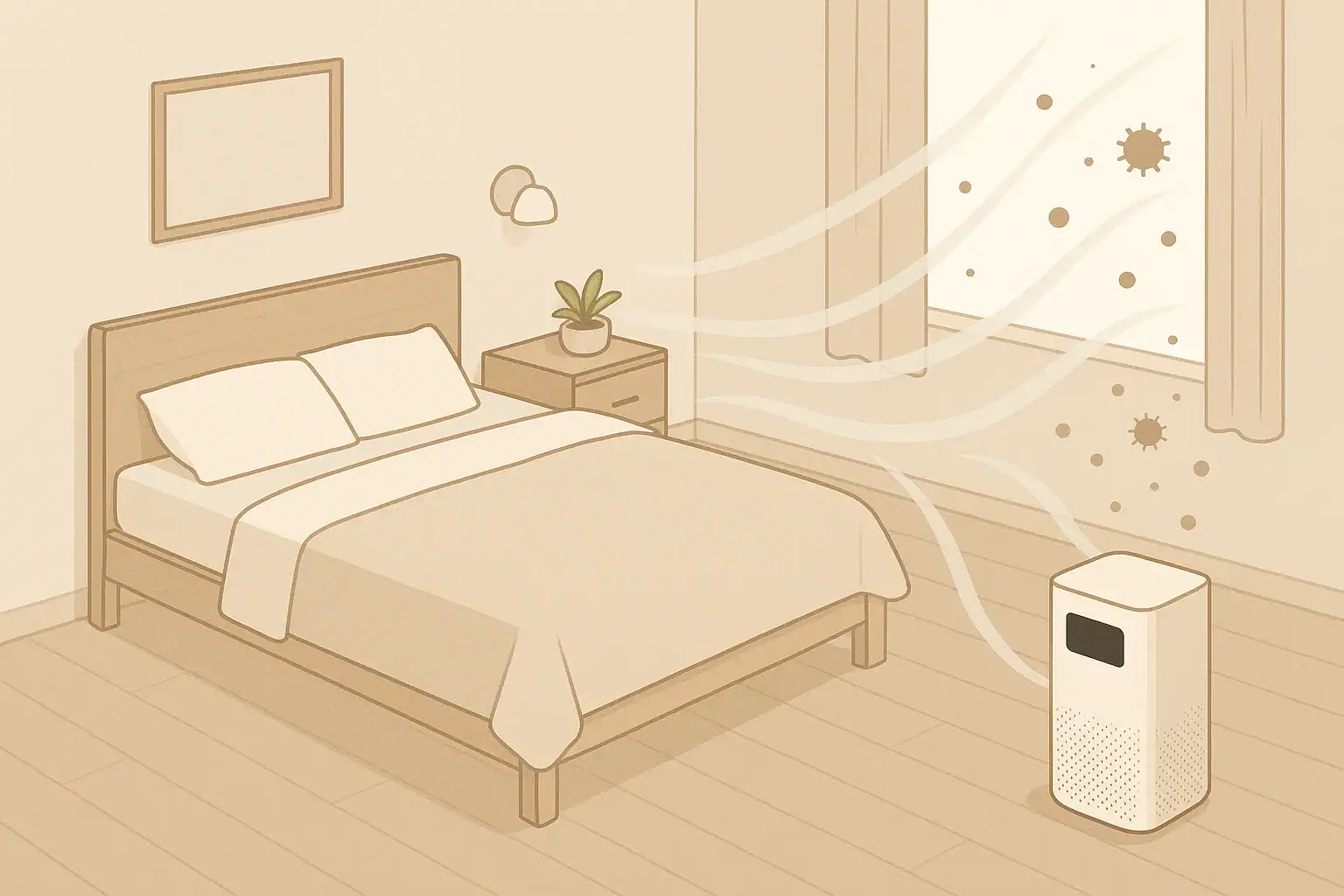
Indoor asthma triggers are anything inside your home that can irritate or inflame the airways and make breathing harder. For many people, managing these triggers indoors is just as important as using prescribed asthma medications. Because we spend so much time inside, even small improvements in home air quality can noticeably reduce coughing, wheezing, and nighttime symptoms.
This guide walks through what asthma triggers indoors typically look like, why they matter, and how to find and fix them room by room. You will see concrete examples, simple checks you can do in a few minutes, and practical changes that do not require a full renovation. Use it as a living checklist you update over time as seasons, activities, and household members change.
What Indoor Asthma Triggers Are and Why They Matter
Indoor asthma triggers are particles, gases, and conditions inside a building that can set off or worsen asthma symptoms. Common examples include dust mites in bedding, mold in damp bathrooms, smoke from cooking, and strong odors from cleaning products. The goal is not to create a perfectly sterile home, but to lower the level of irritants enough that your lungs are less likely to react.
Several factors make indoor triggers especially important:
- Time spent indoors: Many people spend 80–90% of their day inside, so even moderate triggers can add up.
- Limited air exchange: Tightly sealed homes hold in heat and cool air, but they also trap pollutants.
- Layered exposures: Dust, pet dander, moisture, and chemical irritants often overlap in the same rooms.
Reducing exposure to asthma triggers indoors does not replace medical care, but it can help lower the frequency and intensity of flare-ups. It may also reduce the need for emergency visits and improve sleep quality for both adults and children.
Key Indoor Asthma Triggers and How They Build Up
Most indoor asthma triggers fall into a few categories. Understanding how each one behaves helps you decide what to tackle first.
Dust, Dust Mites, and Fine Particles
Household dust is a mix of fabric fibers, soil, skin flakes, and debris. The main concern for asthma is what lives in or attaches to that dust:
- Dust mites: Microscopic insects that thrive in warm, humid fabric surfaces like mattresses and pillows.
- Fine particles: Tiny particles from cooking, candles, and heaters that can reach deep into the lungs.
- Tracked-in particles: Pollen, soot, and soil that come in on shoes and clothing.
Fine particles are often too small to see, so a room can look “clean” and still contain irritants that affect sensitive lungs.
Allergens from Pets, Pollen, and Pests
Allergens can cause airway inflammation even when you cannot see them.
- Pet dander: Skin flakes and saliva proteins from furry animals that cling to fabrics and dust.
- Pollen: Outdoor pollen that sticks to hair, clothing, and window screens, then settles indoors.
- Pests: Cockroach fragments and rodent droppings that break down into fine particles.
Even if you do not see pests, droppings and fragments can remain in cracks, cabinets, and behind appliances.
Mold, Dampness, and Humidity Extremes
Mold grows where materials stay damp. Mold spores and fragments can become airborne when disturbed, and damp surfaces also support dust mites and bacteria. Common sources include leaky plumbing, poorly ventilated bathrooms, and basements with moisture problems.
Humidity itself can be a trigger when it is very high or very low:
- High humidity: Encourages mold and dust mites and can make the air feel heavy.
- Low humidity: Dries the airways, making them more sensitive to particles and gases.
Smoke, Combustion Byproducts, and Chemical Irritants
Smoke and certain gases are strong airway irritants, even at levels that may not bother people without asthma.
- Smoke: From tobacco, vaping, wood stoves, fireplaces, candles, and over-heated cooking oil.
- Combustion gases: From gas stoves, furnaces, and space heaters if they are not vented or maintained.
- Volatile organic compounds (VOCs): From paints, new furnishings, strong cleaners, air fresheners, and hobby supplies.
These pollutants can linger in fabrics, dust, and on surfaces long after the smell has faded.
Real-World Room-by-Room Examples
Walking through your home with asthma triggers in mind can make problems easier to spot. The examples below show typical issues and practical fixes in each area.
Bedrooms: High-Exposure Spaces
Because people spend many hours sleeping, bedrooms are a priority for reducing asthma triggers indoors.
- Bedding and mattresses: Use tightly woven, washable covers on pillows and mattresses. Wash sheets and pillowcases in hot water at least weekly.
- Soft surfaces: Limit decorative pillows, stuffed animals, and heavy drapes that collect dust. Choose a few washable items instead of many small ones.
- Flooring: If you have carpet, vacuum slowly and thoroughly with effective filtration. If you have hard floors, damp-mop instead of dry sweeping.
- Pets: Keep pets out of the bedroom if pet dander is a known trigger. Use a closed door or gate to maintain a pet-free sleep zone.
Living Room and Family Areas
These shared spaces usually combine soft furnishings, electronics, and higher foot traffic.
- Upholstery: Vacuum sofas, chairs, and curtains on a schedule. Wash removable covers regularly.
- Dust control: Dust shelves and electronics with a damp or microfiber cloth so particles stick instead of becoming airborne.
- Shoes and entryways: Use mats at doors and remove shoes when practical to reduce tracked-in pollen and soil.
- Scented products: Limit candles, incense, and strong room sprays, especially in smaller or tightly closed rooms.
Kitchen: Smoke, Grease, and Moisture
Cooking is one of the largest sources of indoor particles and gases.
- Ventilation: Use a range hood that vents outdoors if available, especially when frying or searing. Run it during cooking and for a short time afterward.
- Cooking method: Favor boiling, steaming, and baking over high-heat frying. Cover pans to reduce smoke and splatter.
- Moisture: Wipe up spills quickly, fix leaks under sinks, and allow dishwashers and drying racks to air out between uses.
Bathrooms: Dampness and Mold Hotspots
Bathrooms are often the first place mold appears.
- Showering habits: Run an exhaust fan during showers and for at least 15–20 minutes afterward. If there is no fan, open a window when weather allows.
- Surfaces: Wipe condensation from mirrors and windows. Clean tile, grout, and caulking regularly to remove early mold growth.
- Textiles: Wash or replace shower curtains and bathmats on a schedule, especially if they stay damp.
Basements, Laundry Rooms, and Storage Areas
These areas are often cooler and more humid, which favors mold and dust mites.
- Moisture checks: Look for damp spots on walls and floors, musty odors, or visible mold. Address drainage or leaks promptly.
- Dehumidification: In persistently damp spaces, use mechanical dehumidification to bring humidity into a moderate range.
- Storage: Keep items off concrete floors and away from exterior walls to allow air circulation.
- Dryers: Ensure clothes dryers vent outdoors where required and clean lint paths so moisture does not build up indoors.
| Room | Typical Main Trigger | Simple First Fix |
|---|---|---|
| Bedroom | Dust mites in bedding and soft surfaces | Wash sheets weekly in hot water and add mattress/pillow covers |
| Living room | Dust on upholstery and carpets | Vacuum seating and rugs on a set schedule using effective filtration |
| Kitchen | Cooking smoke and grease particles | Use exhaust fan during high-heat cooking and cover pans |
| Bathroom | Mold from frequent moisture | Run exhaust fan after showers and dry damp surfaces |
| Basement | Dampness and mold on surfaces | Check for leaks and use dehumidification if humidity stays high |
Common Mistakes and Troubleshooting Indoor Asthma Triggers
Even well-intentioned efforts to improve indoor air can backfire. Recognizing common mistakes helps you troubleshoot when symptoms do not improve as expected.
Cleaning Habits That Stir Up Triggers
- Dry dusting: Using a feather duster or dry cloth often launches dust into the air. Switch to damp or microfiber cloths so particles stick instead.
- Fast vacuuming: Rushing over carpets can leave deeper dust behind. Vacuum slowly, with overlapping passes, and empty the container outdoors when possible.
- Strong fragrances to “cover” odors: Heavy use of air fresheners or scented candles can add chemical irritants instead of removing the source of the smell.
Ventilation Missteps
- Running fans without removing pollutants: A ceiling fan alone just mixes air. Pair fans with open windows or exhaust to move pollutants out.
- Blocking vents: Furniture or curtains in front of supply or return vents can reduce air circulation and leave certain rooms stuffy and dusty.
- Ignoring outdoor conditions: Opening windows during high outdoor pollen or smoke events can worsen indoor air for some people with asthma.
Moisture and Mold Troubleshooting
- Only treating visible mold: Wiping off visible spots without drying the underlying material often leads to regrowth.
- Using humidifiers without monitoring: Running a humidifier continuously can push humidity too high, encouraging mold and dust mites.
- Drying clothes indoors without ventilation: This can raise humidity significantly in small spaces.
| Issue You Notice | Likely Underlying Trigger | Targeted Adjustment |
|---|---|---|
| Symptoms worse at night or on waking | Dust mites or pet dander in bedding | Wash bedding hot weekly, add covers, keep pets out of bedroom |
| Coughing after cooking | Fine particles and cooking fumes | Use exhaust fan, lower cooking temperatures, cover pans |
| Musty smell in one room | Hidden dampness or mold | Check for leaks, condensation, or damp materials and dry thoroughly |
| Symptoms flare after cleaning | Fragrances or stirred-up dust | Switch to fragrance-free products and damp dusting |
| Scratchy throat in winter | Very dry indoor air | Monitor humidity and add careful humidification if needed |
Safety Basics When Changing Your Indoor Environment
Improving indoor air quality for asthma should not introduce new risks. A few safety basics help keep changes balanced and practical.
When Dealing with Mold and Moisture
- Wear basic protection such as gloves and, if disturbing dusty or moldy materials, a suitable mask.
- Avoid dry-scrubbing moldy areas; gently clean and dry them so fewer spores become airborne.
- Do not ignore signs of structural damage, large areas of mold, or chronic leaks. Those situations may need professional evaluation.
Using Cleaning Products and Chemicals
- Follow label directions, especially for ventilation and contact time.
- Avoid mixing products that are not meant to be combined.
- Store chemicals in tightly closed containers, away from living and sleeping areas when possible.
Combustion Appliances and Heat Sources
- Have heating equipment and any fuel-burning appliances inspected and maintained on a schedule.
- Do not use unvented combustion devices in small or poorly ventilated rooms.
- Avoid idling vehicles in attached garages, as exhaust can enter living spaces.
Personal Health Considerations
- Plan heavier cleaning or home projects for times when someone with asthma can be out of the area.
- Keep prescribed rescue medications accessible when doing activities that might temporarily increase exposure, such as moving old boxes or cleaning dusty closets.
- Discuss major home changes related to asthma management with a healthcare professional, especially if symptoms are frequent or severe.
Long-Term Habits, Monitoring, and Maintenance
Indoor asthma triggers change with seasons, activities, and renovations. Long-term habits help you keep up with those changes instead of reacting only when symptoms flare.
Simple Observation and Symptom Tracking
- Note where you were and what you were doing just before symptoms started or worsened.
- Pay attention to recent changes such as new furniture, a new pet, or a different cleaning product.
- Watch for environmental clues: musty odors, condensation on windows, or visible dust on surfaces.
Humidity, Temperature, and Airflow Over Time
- Use a basic humidity indicator to understand your typical indoor levels during different seasons.
- Aim for a moderate humidity range, avoiding extremes that feel very dry or very damp.
- Reduce drafts and large temperature swings between rooms, which can make symptoms more noticeable.
- Use exhaust fans in kitchens and bathrooms routinely, not only during visible steam or smoke.
Regular Cleaning and Filter Schedules
- Set a routine for vacuuming, dusting, and washing bedding, focusing first on bedrooms and living areas.
- Change or clean HVAC and appliance filters according to guidance, or sooner if they look visibly dirty.
- Periodically clean fan covers, vents, and accessible duct grilles where dust tends to collect.
Adjusting Based on Results
- Make one or two changes at a time so you can see what actually helps.
- If a change does not seem to improve symptoms after a reasonable trial, reconsider whether you are targeting the right trigger or room.
- Revisit your checklist when seasons change, during renovations, or when someone new moves into the home.
Putting It All Together: Practical Takeaways and Specs to Look For
Most homes have multiple asthma triggers indoors, but you do not need to fix everything at once. Focus first on the spaces and activities where symptoms are most noticeable, then build out your plan from there.
- Start with the bedroom, where exposure time is longest.
- Address obvious moisture problems and musty odors promptly.
- Reduce smoke and strong odors from cooking, cleaning, or hobbies.
- Fine-tune humidity, temperature, and ventilation gradually, watching how symptoms respond.
Specs to Look For When Choosing Indoor Air Tools
If you decide to use equipment such as dehumidifiers, humidifiers, or air cleaners to manage asthma triggers indoors, a few basic specifications can guide your choices:
- Room size match: Check that the device’s rated coverage area is at least as large as the room where it will be used.
- Filtration level: For air cleaning, look for filters designed to capture fine particles such as dust, smoke, and dander.
- Noise level: For bedrooms and study areas, select equipment quiet enough to run during sleep or work without being turned off.
- Energy use: Consider power consumption if the device will run many hours per day.
- Maintenance access: Choose designs with filters, tanks, or trays that are easy to access, clean, and replace.
- Controls and indicators: Simple controls, clear on/off indicators, and, if available, basic humidity or filter status indicators can make regular use more consistent.
By combining the right tools with steady habits—regular cleaning, moisture control, and smart ventilation—you can create an indoor environment that better supports comfortable breathing and long-term asthma management.
Frequently asked questions
What specs and features matter when choosing air cleaners or humidity-control devices to reduce asthma triggers indoors?
Pick devices sized for the room so they can adequately clean or condition the air; for cleaners, prioritize high-efficiency particle filtration that captures fine particles and dander. For humidifiers and dehumidifiers, choose units with accurate control and easy-to-clean reservoirs or removable filters. Low noise and simple maintenance access (clear filter indicators, easy replacement) help ensure regular use.
How can I tell if my home has hidden asthma triggers indoors?
Watch for symptom patterns tied to specific rooms or activities, musty or persistent odors, visible dust buildup, and condensation or damp spots. Keeping a simple log of when symptoms occur and inspecting bedding, vents, and damp-prone areas can reveal hidden sources.
Will scented candles or air fresheners help or worsen asthma triggers indoors?
Scented products can worsen asthma for sensitive people because fragrances and some air fresheners emit volatile organic compounds (VOCs) that irritate the airways. Addressing the odor source, increasing ventilation, and using fragrance-free, low-VOC cleaning products are safer first steps.
What safety precautions should I take when removing mold or cleaning dusty areas?
Wear gloves and a well-fitting mask when disturbing moldy or dusty materials, avoid dry-scrubbing moldy surfaces, and ventilate the area during cleanup. Large or recurring mold problems and suspected structural leaks should be evaluated by professionals rather than handled casually.
Which areas of the home should I prioritize to reduce asthma triggers indoors?
Begin with the bedroom because exposure time is longest during sleep, then address the kitchen and bathroom where smoke and moisture are common. Focus first on the rooms most closely linked to your symptoms and work outward from there.
How often should I change filters and wash bedding to control indoor asthma triggers?
Wash sheets and pillowcases weekly in hot water when possible, and follow guidance for HVAC and appliance filters—many need attention every 1–3 months, though heavily used or dirty filters may require more frequent changes. Inspect filters and bedding routinely and adjust schedules for pets, smokers, or renovation work.
- Clear sizing logic (room size → CADR/ACH)
- HEPA vs carbon explained for real use-cases
- Humidity + ventilation basics to reduce mold risk