
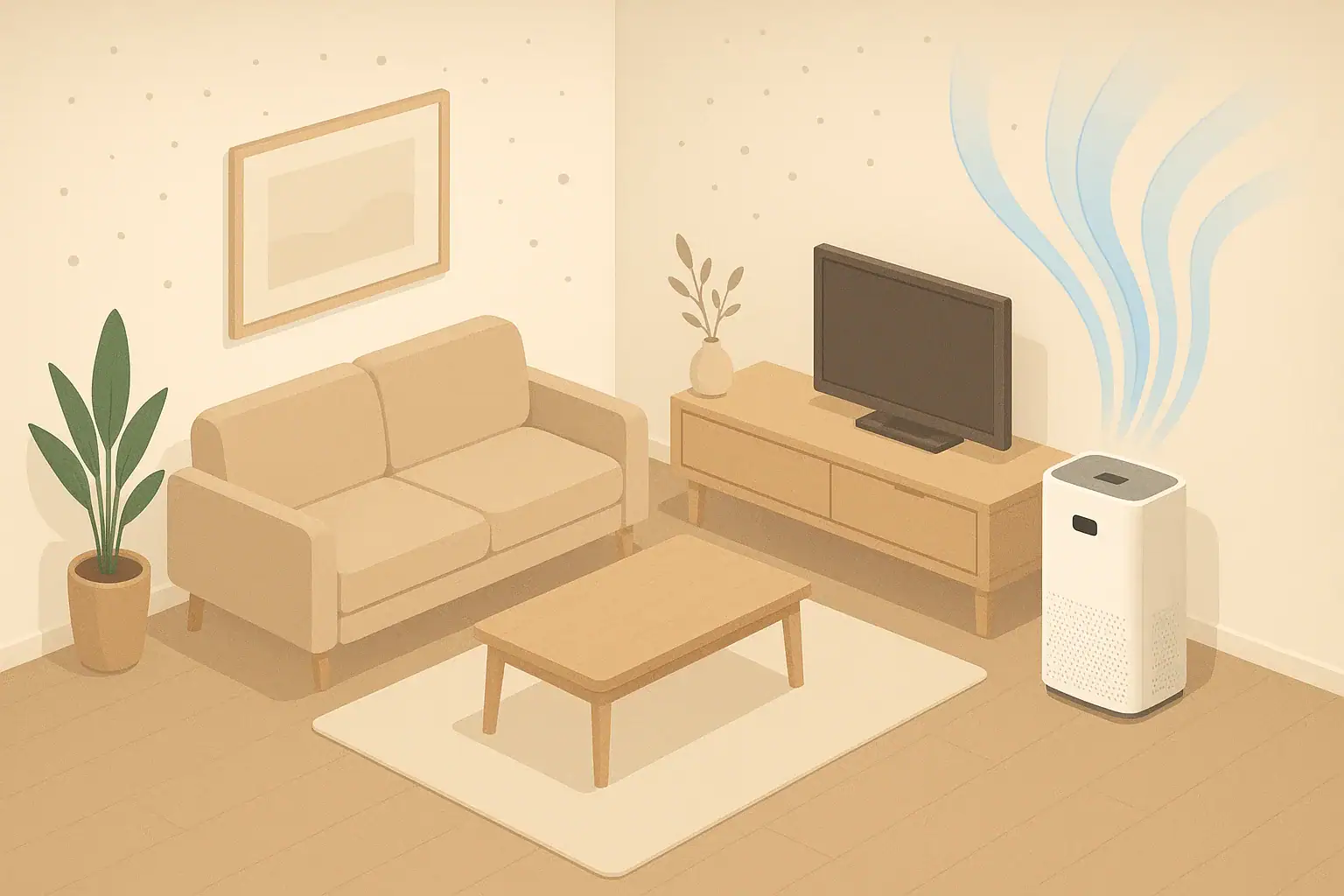
Dust is a mix of tiny particles that settle on surfaces and float in the air. In most homes, dust comes from several main sources at the same time:
- Fibers from clothing, bedding, and upholstery
- Skin flakes and hair from people and pets
- Soil and pollen tracked in from outside
- Combustion particles from cooking and candles
- Outdoor air pollution entering through leaks and open windows
Even if you clean regularly, these sources keep adding new particles. The key to reducing dust without constant cleaning is to control it at the source, keep it from spreading, and capture it efficiently in the air and on its way into your home.
Why Your Home Gets Dusty So Fast
Dust is a mix of tiny particles that settle on surfaces and float in the air. In most homes, dust comes from several main sources at the same time:
- Fibers from clothing, bedding, and upholstery
- Skin flakes and hair from people and pets
- Soil and pollen tracked in from outside
- Combustion particles from cooking and candles
- Outdoor air pollution entering through leaks and open windows
Even if you clean regularly, these sources keep adding new particles. The key to reducing dust without constant cleaning is to control it at the source, keep it from spreading, and capture it efficiently in the air and on its way into your home.
Start at the Door: Keep Outdoor Dust Out
Use Entry Mats Effectively
Fine soil and grit from outside are major dust contributors. A small change at your entry points can noticeably reduce what reaches your floors and furniture.
For best results:
- Place a coarse mat outside and a softer mat inside each main entrance
- Choose mats large enough for several steps, so more dirt is captured
- Vacuum or shake mats outdoors regularly so they do not become dust sources
Adopt a Shoes-Off Habit
Wearing outdoor shoes indoors grinds dirt into carpets and floors where it later becomes airborne dust.
To make a shoes-off policy easier:
- Keep a small bench or chair near the door
- Provide a shoe rack or tray for family and guests
- Offer indoor slippers or socks in colder seasons
Improve Air Filtration and Airflow
Dust that never settles is easier to capture. Good filtration and controlled airflow can significantly reduce the amount of dust that lands on surfaces between cleaning sessions.
Upgrade Your Central HVAC Filter
If your home has central heating or cooling, your system already moves large volumes of air. the filter you use determines how much dust is captured versus recirculated.
Consider these points when selecting and using a filter:
- Use a filter with a moderate to high efficiency rating that is compatible with your system
- Aim for better particle capture without restricting airflow excessively
- Replace filters on a regular schedule, often every 1–3 months depending on household conditions
- Check filters more often if you have pets, live in a dusty area, or run the fan constantly
Use the HVAC Fan Strategically
Running the central fan can help pull more dust through the filter instead of letting it settle on surfaces.
Possible approaches include:
- Using a circulation or “fan only” mode during times of heavy dust (e.g., high pollen seasons or after outdoor activities)
- Running the fan on a schedule rather than continuously to balance air quality and energy use
- Ensuring supply and return vents are not blocked by furniture or curtains
Add Room Air Filtration Where It Matters Most
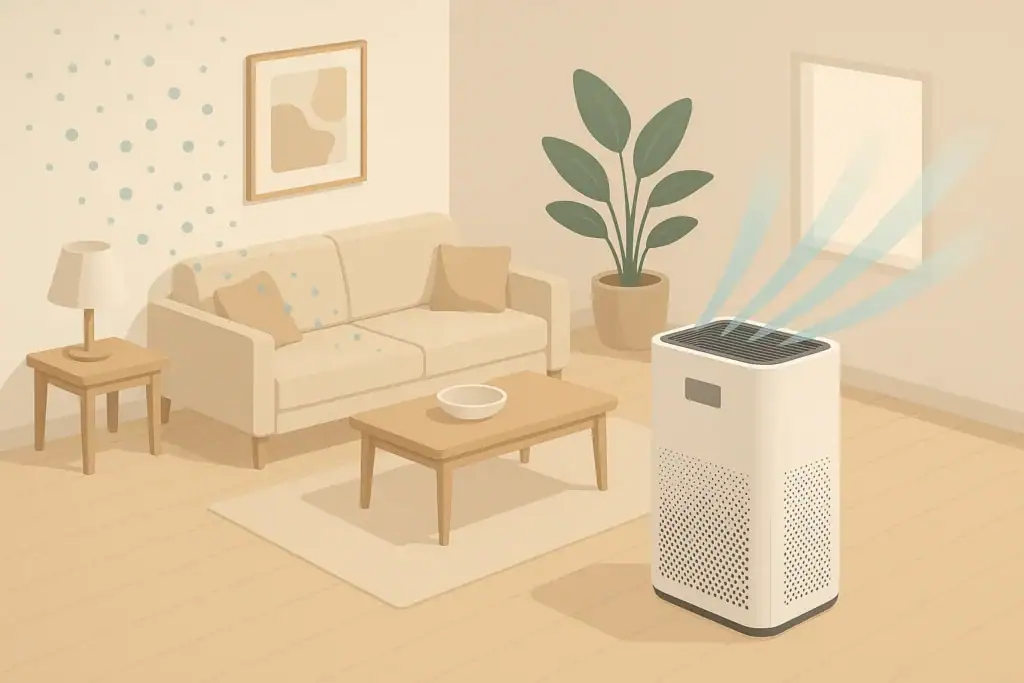
Portable air cleaners can help reduce airborne dust in specific rooms, especially where you spend most time, such as bedrooms and living areas.
For better dust reduction:
- Choose a device sized appropriately for the room so air is circulated effectively
- Look for mechanical filters designed to capture fine particles (not just coarse dust)
- Place the unit where air can flow freely around it, not hidden in a corner or behind furniture
- Run it on higher settings when you are not in the room if noise is an issue
Control Humidity to Help Dust Behave
Humidity does not create dust, but it influences how dust moves and clings to surfaces. Extremely dry or damp air can both make dust problems feel worse.
Aim for a Comfortable Mid-Range Humidity
Indoor relative humidity in a moderate range (often around the middle of the typical comfort band) can help dust settle more predictably and make it easier to capture with filters and cleaning tools.
To manage humidity:
- Use a simple hygrometer to monitor typical levels in key rooms
- Use a humidifier if air is very dry during heating season
- Use a dehumidifier or ventilation if humidity is high in summer or in damp rooms
- Ventilate bathrooms and kitchens during and after moisture-producing activities
Avoid Conditions That Promote Sticky Dust
High humidity can combine with oils from cooking and personal care products to form a sticky film that grabs dust and makes surfaces feel grimy.
Helpful habits include:
- Using exhaust fans while cooking and for a short time afterward
- Keeping lids on simmering pots when possible
- Wiping greasy surfaces regularly so dust cannot build up in layers
Reduce Dust at the Source Indoors
Choose Low-Shedding Textiles and Furnishings
Soft furnishings constantly release fibers that become part of household dust. Some materials shed more than others.
To limit this source:
- Prefer tightly woven fabrics for curtains, pillow covers, and slipcovers
- Limit fuzzy or high-pile textiles in rooms that already feel dusty
- Consider smooth-surface furniture and flooring in high-traffic or allergy-prone areas
- Use washable throw covers on heavily used sofas and chairs
Manage Pet Hair and Dander
Pets contribute hair, dander, and tracked-in soil. Managing these factors reduces how much dust they add to your home.
Practical steps include:
- Brushing pets regularly, ideally outdoors or in an easy-to-clean area
- Using washable covers on pet beds and washing them frequently
- Keeping pets off beds and fabric-covered furniture if possible
- Vacuuming pet traffic zones more often than other areas
Limit Unnecessary Combustion Sources
Activities that burn fuel or materials generate very fine particles that add to dust and can affect indoor air quality.
Consider:
- Using ventilation when cooking on gas ranges or high-heat settings
- Reducing use of candles or incense, or choosing them only occasionally
- Ensuring fireplaces and wood stoves are maintained and vented properly
Make Cleaning Work Smarter, Not Harder
You cannot avoid cleaning entirely, but you can choose methods that capture more dust each time so you can clean less often.
Vacuum in a Dust-Conscious Way
Vacuuming can either remove dust or stir it up, depending on the equipment and technique.
To make vacuuming more effective:
- Use a vacuum with good filtration so fine dust is not blown back into the room
- Empty or change vacuum bags and bins before they become overfull
- Vacuum carpets and rugs slowly to allow more particles to be removed
- Use brush or crevice tools along baseboards and around vents where dust collects
Dust with Damp or Electrostatic Tools
Dry feather dusters tend to push dust into the air. Tools that grab dust instead of moving it help keep surfaces cleaner for longer.
Better options include:
- Lightly damp microfiber cloths for hard surfaces
- Electrostatic dusters that hold onto particles
- Flat mops with washable microfiber pads for floors
Always rinse or wash dusting tools after use so they do not become dust sources themselves.
Focus on High-Yield Dust Zones
Some areas contribute more dust to the rest of the home. Giving these spots a little extra attention can reduce how often you need to clean everywhere else.
Examples of high-yield zones include:
- Return air grilles and nearby walls
- Ceiling fan blades and light fixtures
- Top edges of doors, window frames, and tall furniture
- Under beds and sofas where air currents deposit dust
Including these in a quick, periodic routine helps prevent dust layers from building up and being released into the air.
Optimize Bedrooms for Less Dust
Bedrooms matter because you spend many hours there, and bedding materials shed fibers and trap dust.
Wash Bedding Regularly and Thoroughly
Bedding accumulates skin flakes, fibers, and dust from the room. Removing this buildup reduces the amount that becomes airborne at night.
Helpful habits:
- Wash sheets and pillowcases on a hot or warm cycle as often as your schedule allows
- Wash blankets and duvet covers on a regular cycle as well
- Vacuum mattresses and bed frames periodically, especially crevices and seams
- Consider encasements for mattresses and pillows if dust sensitivity is a concern
Minimize Dust Collectors in Sleeping Areas
Objects that are rarely moved accumulate dust that gets disturbed every time you walk by or change the bedding.
To simplify the space:
- Limit extra throw pillows and stuffed toys on the bed
- Store rarely used items in closed drawers or bins, not open shelves
- Choose closed bookcases instead of open ones where practical
- Keep the area under the bed clear and easy to vacuum
Consider Local Air Filtration in Bedrooms
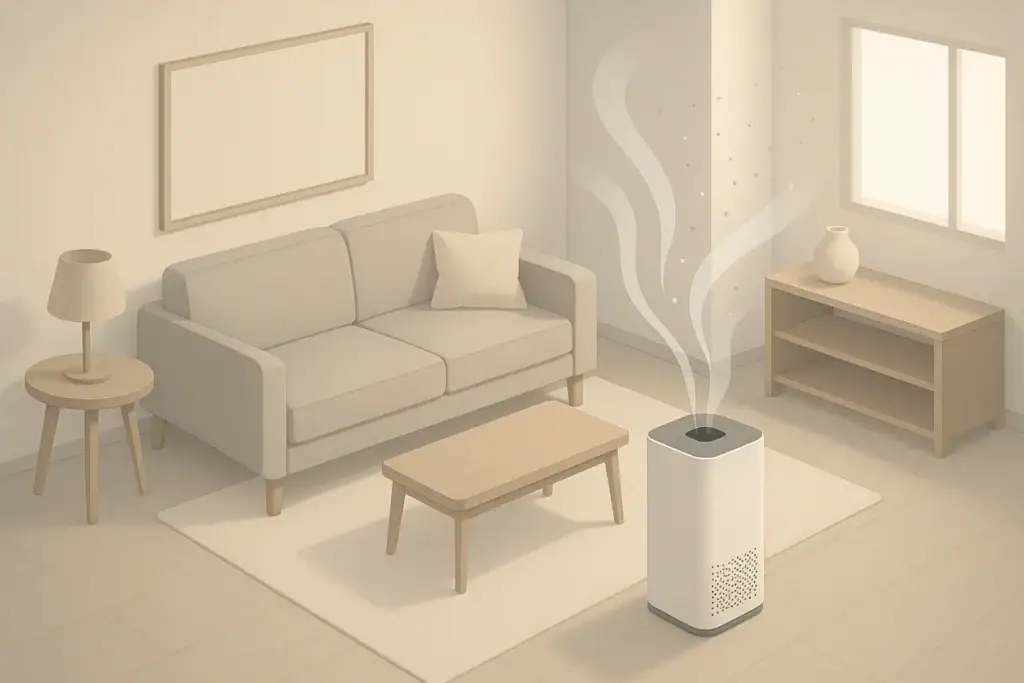
Running a room air cleaner at night can keep airborne dust levels lower while you sleep.
For bedroom use:
- Position the unit so that it does not blow directly on your face but still circulates room air
- Use quieter modes during sleep to maintain comfort
- Keep doors and windows in a consistent position so airflow patterns remain stable
Seal and Ventilate to Control Dust Movement
Seal Easy Air Leaks That Bring in Dust
Gaps and cracks allow outdoor dust to enter and indoor dust to circulate between rooms.
Areas to inspect include:
- Door and window frames, especially older installations
- Gaps around utility penetrations such as pipes and cables
- Baseboard gaps along exterior walls
- Attic access hatches or pull-down stairs
Using appropriate weatherstripping and sealants can reduce unfiltered air movement and help keep dust out.
Ventilate Intentionally Instead of Randomly
Fresh air is important, but unplanned openings can also be a path for outdoor dust and pollen.
To ventilate more effectively:
- Open windows on the cleaner side of the home when outdoor conditions allow
- Use exhaust fans in kitchens and bathrooms to remove moisture and particles at the source
- Consider timing window opening for periods when local outdoor dust and traffic are lower
Maintenance Habits That Keep Dust Down Over Time
Consistent, low-effort habits often matter more than occasional deep cleaning. A few minutes at the right time can prevent larger dust problems later.
Set Simple, Repeatable Routines
Instead of trying to tackle everything at once, spread dust-control tasks across the week or month.
Examples of manageable routines:
- Daily: quick entry mat check and shake, light spot dusting in the most-used room
- Weekly: vacuum high-traffic floors and rugs, wipe key surfaces with a microfiber cloth
- Monthly: clean vents, ceiling fan blades, and tops of tall furniture
- Seasonally: check HVAC filters, wash or change curtains, and evaluate humidity
Keep Filters and Tools in Good Condition
Filters and cleaning tools lose effectiveness as they load with dust.
To maintain performance:
- Replace or wash HVAC and room air cleaner filters according to guidelines or sooner if visibly dirty
- Wash microfiber cloths and mop pads separately so they retain their ability to grab dust
- Inspect vacuum hoses, seals, and brushes to ensure good suction
Watch for Clues That Dust Control Needs Adjusting
Your home will give you feedback about what is working.
Possible signals include:
- Visible dust returning within a day or two on the same surfaces
- Dust lines on carpets along baseboards (indicating air leakage)
- Heavy buildup on vents and returns, suggesting filter or airflow issues
- More dust during certain seasons, pointing to outdoor or humidity factors
Using these clues, you can refine your approach, focusing on entry control, filtration, fabrics, or ventilation as needed. Over time, the combination of these strategies can significantly reduce dust without relying on constant, intensive cleaning.
Frequently asked questions
How often should I change or check my central HVAC filter to reduce dust?
Check the filter monthly and replace it every 1–3 months depending on household conditions; change it more often if you have pets, live in a dusty area, or run the system continuously. Keeping the filter on a regular schedule helps capture more particles and prevents recirculation of dust.
Do room air purifiers actually reduce dust on furniture and floors?
Portable air cleaners reduce airborne dust by filtering fine particles, which over time lowers how much settles onto surfaces. They work best when sized and placed properly and used with mechanical filters, but they do not eliminate the need for occasional surface cleaning.
Will a shoes-off policy make a noticeable difference in household dust levels?
Yes—keeping outdoor shoes at the door significantly reduces tracked-in soil, pollen, and grit, which are major contributors to household dust. Combined with entry mats and regular mat cleaning, it can noticeably slow how fast floors and upholstery accumulate dust.
What indoor humidity level helps prevent dust from becoming airborne or sticky?
Aim for a mid-range relative humidity around 40–50%; this range helps particles settle more predictably without promoting the sticky films that form at higher humidity. Use humidifiers or dehumidifiers as needed to maintain this balance seasonally.
Which quick daily habits give the most dust reduction with minimal effort?
Brief daily steps—such as shaking or vacuuming entry mats, spot-dusting high-yield zones with a microfiber cloth, and running an air cleaner or the HVAC fan for short periods—cut dust buildup without a full cleaning session. Targeting these small areas prevents small deposits from becoming larger problems.
Recommended next:
- Clear sizing logic (room size → CADR/ACH)
- HEPA vs carbon explained for real use-cases
- Humidity + ventilation basics to reduce mold risk





About this site
Home Air Quality Lab publishes practical, independent guides about indoor air quality—clear sizing, safer use, and real-world expectations.
Affiliate disclosure
Some links on this site may be affiliate links. If you buy through these links, we may earn a small commission at no extra cost to you. This helps support our content. Learn more.