
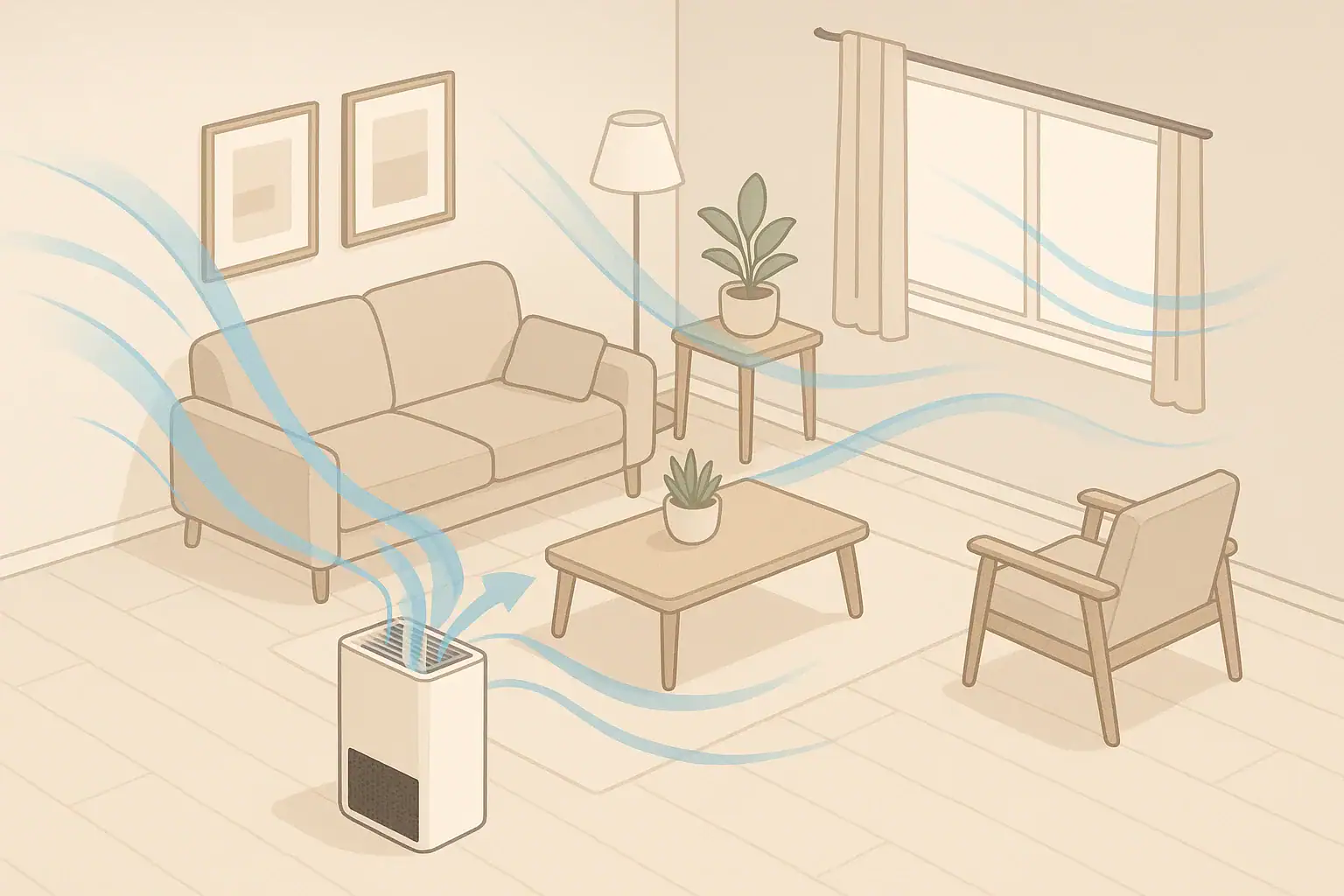
What Is Formaldehyde and Why Is It in Homes?
Formaldehyde is a colorless gas with a sharp, irritating smell. It is widely used in building materials, furniture, textiles, and many household products. Because so many everyday materials emit small amounts of formaldehyde, almost every home contains it to some degree.
Indoors, formaldehyde is considered a key component of “volatile organic compounds” (VOCs). These are gases that off-gas from solid or liquid products into the air. In tightly sealed, energy-efficient buildings, VOCs like formaldehyde can build up if ventilation and air cleaning are not adequate.
Common Sources of Formaldehyde in Homes
Formaldehyde is not usually from one single source. Instead, it tends to come from many small sources that add up. Recognizing where it comes from can help you target the most effective changes.
Building Materials and Furnishings
Many structural and decorative materials contain adhesives, resins, or finishes that can release formaldehyde, especially when they are new.
- Composite wood products such as particleboard, medium-density fiberboard (MDF), and plywood made with urea-formaldehyde or similar resins
- Cabinets, shelving, and furniture built from engineered wood panels
- Flooring materials, including some engineered wood, laminate, and underlayment products
- Insulation made with formaldehyde-based binders (less common in newer products, but still present in some older homes)
- Wall coverings and decorative panels that use formaldehyde-containing adhesives or finishes
These materials typically emit the most when they are brand new and gradually off-gas less over time. However, elevated levels can persist for years, especially in poorly ventilated spaces.
Household Products and Textiles
Formaldehyde can also come from items you bring in and use every day.
- Pressed fabric products labeled as “wrinkle-resistant” or “easy care”
- Curtains, upholstery, and carpets treated with certain resins or finishes
- Cleaning agents and disinfectants that contain or release formaldehyde
- Glues, adhesives, paints, and varnishes containing formaldehyde-based ingredients
- Personal care products such as some nail products and cosmetics that may release small amounts of formaldehyde
Smaller items usually contribute less than large surfaces like floors or cabinets, but in a tight space, their combined emissions can still matter.
Combustion Sources
Anything that burns fuel or organic materials can produce formaldehyde as a byproduct.
- Cigarette or cigar smoke and other tobacco products
- Unvented or poorly vented gas stoves, ovens, or heaters
- Fireplaces and wood stoves, especially when they burn inefficiently
- Candles and incense, particularly in small closed rooms
These sources can cause short spikes in formaldehyde and other pollutants, especially if the home is not well ventilated during use.
New Construction and Renovation
New or freshly renovated homes often have higher formaldehyde levels due to new materials, finishes, and furnishings.
- Recently installed cabinets, countertops, and built-ins
- New flooring and subfloor materials
- Fresh paint, sealants, and caulks
- Large amounts of new furniture arriving at the same time
In these settings, robust ventilation is particularly important during the first months after installation.
Health Effects of Formaldehyde Exposure
Formaldehyde affects people differently depending on the concentration in the air, length of exposure, and individual sensitivity. Some people react at relatively low levels, while others notice little irritation until levels are higher.
Short-Term (Acute) Effects
Short-term exposure to elevated formaldehyde levels can irritate the eyes, nose, throat, and skin. Typical symptoms can include:
- Burning or watery eyes
- Runny nose or nasal irritation
- Sore or scratchy throat
- Coughing or chest tightness
- Headaches
- Skin redness or rash on contact
People with asthma or other respiratory conditions may notice increased wheezing, shortness of breath, or chest discomfort at lower levels than those without underlying issues.
Long-Term (Chronic) Effects
Long-term exposure to lower but persistent formaldehyde levels is a concern for overall respiratory health. Evidence links prolonged exposure to:
- Ongoing irritation of the eyes and airways
- Exacerbation of asthma and other chronic respiratory conditions
- Increased sensitivity to other indoor air pollutants over time
Formaldehyde has also been classified by major health organizations as a human carcinogen under certain conditions and exposure scenarios. Indoor levels in typical homes are much lower than those found in some industrial settings, but minimizing unnecessary long-term exposure is still considered a prudent approach.
Who Is Most at Risk?
Some groups are more vulnerable to the effects of formaldehyde and other VOCs:
- Infants and young children, whose lungs and immune systems are still developing
- People with asthma or chronic respiratory disease
- Older adults with reduced lung function
- People who spend much of their time at home, such as those who work from home or have limited mobility
For these groups, keeping indoor formaldehyde and other VOCs as low as reasonably achievable can be especially important.
Typical Indoor Formaldehyde Levels
Formaldehyde levels in homes can vary widely based on materials, furnishings, occupant activities, and ventilation.
Some patterns are common:
- New or recently renovated homes tend to have higher levels than older, unchanged homes.
- Levels are often higher in tightly sealed, energy-efficient buildings with limited fresh air exchange.
- Levels can spike temporarily during activities such as smoking, cooking on gas stoves without a range hood, or using strong cleaning products.
- Warm temperatures and high humidity can increase off-gassing from materials and products.
Guidelines from different organizations aim to keep long-term indoor exposure relatively low. While those guideline values differ somewhat, they generally encourage reducing formaldehyde concentrations as much as is practical, especially in homes with sensitive occupants.
How to Tell if You Have a Formaldehyde Problem
Formaldehyde can be difficult to identify without instruments because symptoms can overlap with allergies, colds, or other irritants.
Signs and Clues
Look for patterns rather than individual events:
- Eye, nose, or throat irritation that worsens indoors and improves when you spend time outside
- Symptoms that are stronger in certain rooms, such as a newly furnished bedroom or basement
- Persistent odor described as sharp, chemical, or antiseptic, especially near new materials
- Increased symptoms during warmer, more humid seasons
Testing Options
If you suspect elevated formaldehyde levels, there are a few ways to check:
- Short-term test kits that use a passive sampler over several hours or days, which you then send to a laboratory
- Longer-term samplers that stay in place for a week or more to capture typical exposure
- Professional assessments with specialized instruments, often combined with a walkthrough inspection
Some general air quality monitors measure overall VOC levels but do not identify specific chemicals. These can indicate if VOCs are high in general but may not tell you exactly how much formaldehyde is present. For detailed information, targeted sampling and laboratory analysis are more precise.
Strategies to Reduce Formaldehyde in Homes
Lowering indoor formaldehyde typically requires a combination of approaches. Not every step will be practical for every home, but even small changes can add up.
1. Source Control: Choose and Manage Materials Carefully
Controlling sources is often the most effective long-term strategy, especially when planning construction, renovation, or major furnishing changes.
When Building or Renovating
- Favor solid wood or alternative materials instead of large expanses of composite wood when possible.
- When composite products are needed, look for low-emitting or reduced-formaldehyde options, based on labels or documentation.
- Use low-VOC paints, sealants, and adhesives to minimize additional VOC sources.
- Allow new materials to off-gas in a well-ventilated space before fully occupying the area.
When Buying Furniture and Furnishings
- Choose simpler designs with fewer layers of glued particleboard or MDF when feasible.
- Allow new furniture to air out in a garage or well-ventilated room for several days before heavy use.
- Wash new bedding, curtains, and washable textiles before use to remove surface residues.
Daily Habits and Products
- Limit indoor smoking; ideally, avoid it entirely.
- Use exhaust hoods and fans when cooking on gas stoves, and maintain appliances to ensure proper combustion.
- Store paints, solvents, and strong adhesives in tightly closed containers, preferably in a detached or well-ventilated area.
- Consider simpler cleaning products when suitable for the task, and ventilate during and after cleaning.
2. Ventilation: Dilute and Remove Indoor Pollutants
Ventilation helps reduce formaldehyde by bringing in outdoor air to dilute indoor contaminants and by exhausting indoor air to the outside.
Use Existing Ventilation Effectively
- Run kitchen exhaust fans that exhaust outdoors while cooking and for a period afterward.
- Use bathroom fans during showers and for at least several minutes afterward to remove humid air and VOCs from products.
- On days with suitable outdoor air quality and weather, open windows on opposite sides of the home to create cross-ventilation.
Consider Mechanical Ventilation
In very tight homes, natural air leakage may be low. Mechanical ventilation systems can provide controlled fresh air while managing energy use.
- Supply or exhaust fans that bring in or remove outdoor air on a schedule
- Balanced systems with heat or energy recovery that exchange air while limiting heat loss or gain
While these systems involve installation and operating costs, they can maintain more stable indoor air quality, especially in homes with multiple VOC sources.
3. Temperature and Humidity Control
Formaldehyde off-gassing tends to increase with higher temperature and humidity. Keeping indoor conditions moderate can help limit emissions from building materials and furnishings.
- Aim for a comfortable temperature rather than very warm indoor conditions.
- Try to maintain relative humidity in a moderate range, often roughly in the middle between particularly dry and very humid air.
- Use dehumidification or air conditioning in damp climates or seasons to prevent humidity from remaining high for long periods.
- Address water leaks and dampness promptly, since moisture can worsen both off-gassing and other indoor air problems such as mold.
4. Air Cleaning and Filtration
Air cleaners can help reduce formaldehyde and other VOCs, but it is important to understand their limitations and choose the right type.
Particle Filters vs. Gas-Phase Filters
Standard mechanical filters (including many HEPA filters) are excellent for particles such as dust, pollen, and some smoke particles. However, they do not remove gases like formaldehyde.
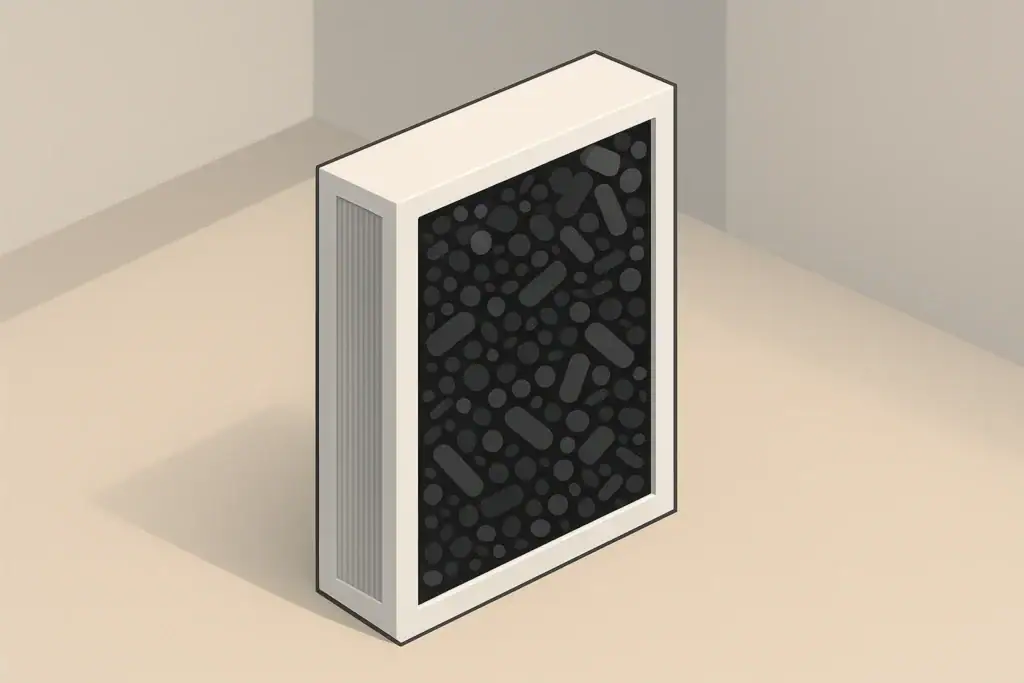
To address formaldehyde, an air cleaner needs a gas-phase filtration component, such as:
- Activated carbon or other porous sorbent materials that adsorb gases
- Specialized chemical media designed for reactive gases like formaldehyde
The performance of gas-phase filters depends on:
- The type and amount of sorbent material
- The airflow rate through the filter
- The mix of gases in the air and overall VOC loading
- How often the filter media is replaced or regenerated
Even with a good gas-phase filter, source control and ventilation remain important. Air cleaners typically reduce concentrations rather than eliminating them at the source.
Whole-House vs. Room Air Cleaning
Some homes use:
- Central HVAC filters with added gas-phase media that treat air as it circulates through ducts
- Portable room air cleaners with both particle and gas-phase filters for specific rooms
Room units can be useful in areas where people spend the most time, such as bedrooms and home offices, while central filters can help reduce overall background levels when the system is running.
5. Maintenance and Ongoing Management
Reducing formaldehyde is not a single event but an ongoing process, especially as you bring new materials and products into your home.
- Keep HVAC and air cleaner filters maintained according to manufacturer guidelines so they continue to capture particles and gases effectively.
- Ventilate after installing new furniture, flooring, or cabinets, and during painting or refinishing projects.
- Periodically reassess symptoms and sources, especially if you notice new odors or irritation.
- Consider repeat formaldehyde or VOC measurements if previous tests showed elevated levels and you have since made changes.
Practical Room-by-Room Tips
Breaking actions down by room can make them easier to implement.
Living Room and Bedrooms
- Place gas-phase filtering air cleaners where people spend the most time.
- Open windows for regular airing when outdoor conditions allow.
- Choose simpler furniture designs and avoid overfilling spaces with new pressed-wood items all at once.
- Wash bedding, pillowcases, and curtains before first use.
Kitchen
- Use the range hood whenever cooking, especially on gas burners.
- Check that the hood vents outdoors and is not simply recirculating air.
- Avoid using the oven to heat the home for extended periods.
- Store strong cleaners and solvents in well-sealed containers and ventilated areas.
Bathroom and Laundry
- Run the bath fan during and after showers to manage humidity and VOCs.
- Choose milder cleaning products when appropriate and ventilate during use.
- Wash towels, robes, and other textiles before use if they have a strong chemical odor.
Basement, Garage, and Storage Areas
- Store paints, adhesives, and solvents away from main living areas when possible.
- Use dehumidification where humidity tends to be high.
- Ventilate during hobby activities like woodworking, painting, or crafting.
Balancing Comfort, Energy Use, and Indoor Air Quality
Reducing formaldehyde in homes involves balancing several goals: keeping the space comfortable, managing energy use, and maintaining healthy air. Source control, adequate ventilation, thoughtful material choices, and appropriately selected filtration all work together. By understanding where formaldehyde comes from and how it behaves indoors, you can make practical decisions that gradually improve indoor air quality over time.
Frequently asked questions
What are the most common household sources of formaldehyde?
The most common sources are composite wood products (particleboard, MDF, plywood) made with urea-formaldehyde resins, many types of pressed or engineered furniture, certain textiles labeled wrinkle-resistant, and combustion sources like cigarette smoke and unvented gas appliances. Paints, adhesives, varnishes, and some cleaning and personal care products can also contribute.
How can I test my home for formaldehyde and which tests are most reliable?
Reliable methods include professional assessments with specialized instruments and laboratory analysis of air samples collected using passive or active samplers; long-term samplers (a week or more) give a better picture of typical exposure than short-term tests. General VOC monitors can indicate elevated overall VOCs but usually cannot quantify formaldehyde specifically.
Will opening windows eliminate formaldehyde from my home?
Opening windows dilutes indoor formaldehyde by bringing in outdoor air and can significantly reduce concentrations while ventilation is maintained. However, it does not remove sources, so levels can rise again if off-gassing continues or if outdoor conditions prevent ventilation.
Are air purifiers effective at removing formaldehyde?
Standard particle filters (including HEPA) do not remove gases like formaldehyde; effective air cleaners for formaldehyde need gas-phase media such as activated carbon or specialized chemical sorbents. Performance depends on the amount and type of sorbent, airflow through the unit, and how often the media is replaced; they reduce concentrations but do not replace source control and ventilation.
How long do new furniture and building materials off-gas formaldehyde?
Off-gassing is typically highest when materials are new and declines over months to years, with many materials showing large reductions within the first 6–12 months, though low-level emissions can persist longer. Factors such as temperature, humidity, and the type of resin influence the rate and duration of emissions.
Recommended next:
- Clear sizing logic (room size → CADR/ACH)
- HEPA vs carbon explained for real use-cases
- Humidity + ventilation basics to reduce mold risk






About this site
Home Air Quality Lab publishes practical, independent guides about indoor air quality—clear sizing, safer use, and real-world expectations.
Affiliate disclosure
Some links on this site may be affiliate links. If you buy through these links, we may earn a small commission at no extra cost to you. This helps support our content. Learn more.