
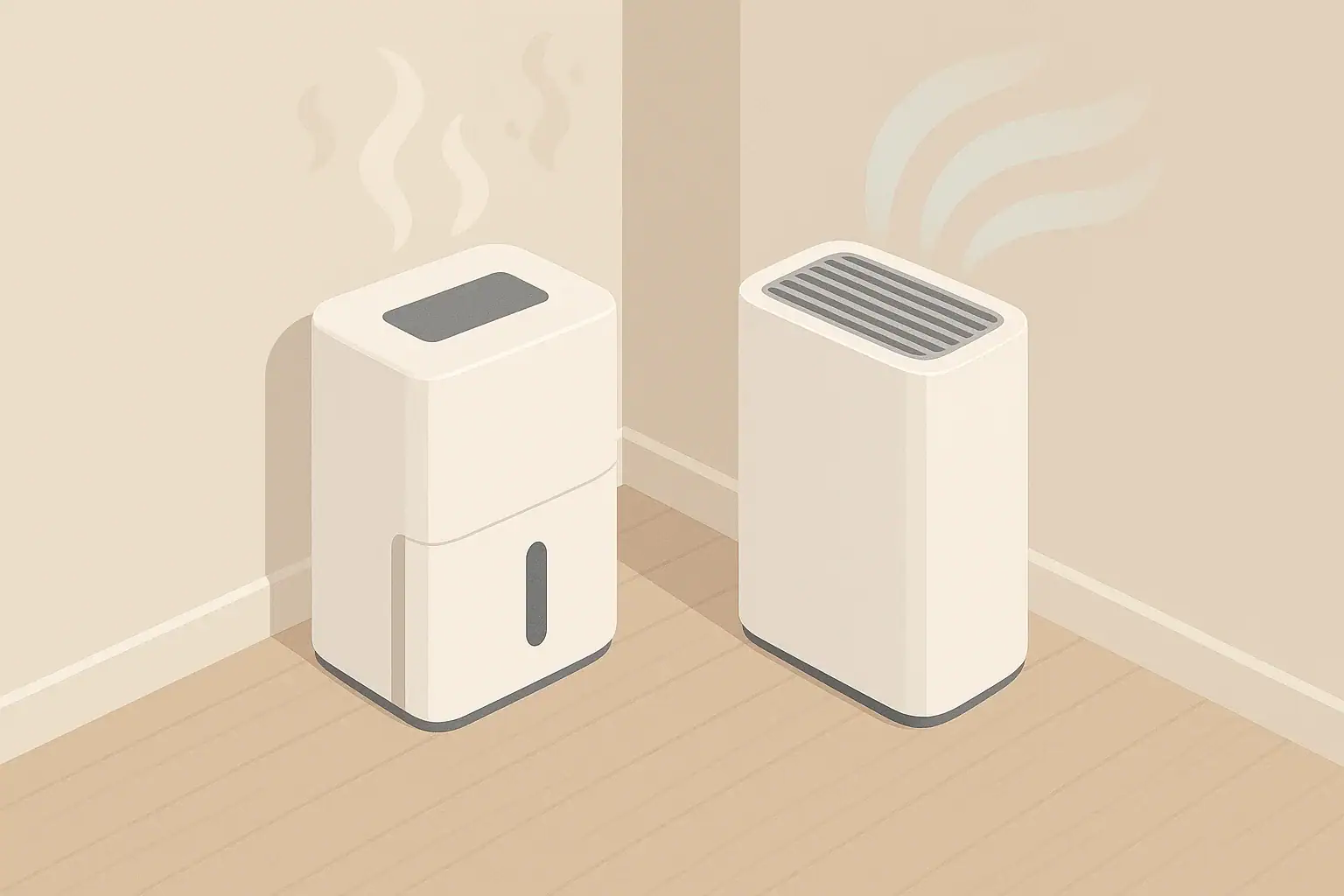
A musty smell after rain usually means moisture is entering, lingering, or raising indoor humidity enough for damp materials and microbial odors to become noticeable. Rain can reveal small leaks, condensation spots, high relative humidity, or damp porous materials such as carpet, drywall, wood, insulation, or stored cardboard. The goal is to find where moisture is coming from, dry affected materials promptly, and keep indoor humidity in a reasonable range.
- Aim for indoor relative humidity around 30% to 50% in normal conditions, and try to avoid long periods above 60%.
- Check likely wet zones first: basements, crawl spaces, window trim, exterior walls, attic access, under sinks, and around HVAC equipment.
- Dry clearly wet materials within 24 to 48 hours when practical, using ventilation, dehumidification, and safe removal of water sources.
- Use bathroom and kitchen exhaust fans during moisture events and for about 20 to 30 minutes afterward when possible.
- If the odor appears only when the HVAC runs, inspect the filter, return area, condensate pan, drain line, and nearby ductwork for moisture cues.
Why a Musty Smell Shows Up After Rain
A musty odor is often described as earthy, stale, damp, or similar to wet cardboard. After rain, that smell may become stronger because moisture changes how building materials, dust, and settled organic matter release odors into indoor air.
The odor does not automatically mean there is a large mold problem. It does mean the home has a moisture clue worth investigating. The source may be a small exterior leak, damp foundation area, poorly ventilated room, condensation on cool surfaces, or wet items stored indoors.
Rain also affects air pressure around a home. Wind-driven rain, saturated soil, and temperature shifts can push damp air through gaps, rim joists, crawl spaces, basements, window frames, and attic bypasses. In apartments, the source may be a shared wall, balcony door, roof line, bathroom exhaust path, or nearby mechanical room.
Moisture Basics: Humidity, Condensation, and Airflow
Relative humidity is the amount of water vapor in air compared with what that air can hold at the same temperature. Warmer air can hold more moisture, so a room may feel fine during the day and develop condensation when surfaces cool at night.
General indoor comfort guidance is often around 30% to 50% relative humidity. Short-term changes happen, especially during rainy weather, cooking, bathing, or laundry. The concern is sustained dampness, visible condensation, or repeated odors in the same area.
How condensation adds to musty odors
Condensation forms when moist air touches a surface that is cool enough for water vapor to become liquid. Common locations include window glass, metal frames, poorly insulated exterior corners, basement walls, cold water pipes, and supply ducts in humid spaces.
Why airflow matters
Airflow helps carry moisture away from surfaces. Still air behind furniture, inside closets, under beds, or in storage areas can stay damp longer after rain. A room can have acceptable average humidity while one hidden corner remains persistently damp.
That is why troubleshooting should combine humidity readings with direct inspection. A small hygrometer can show the room trend, but your nose, touch, and visual cues help locate the actual moisture path.
| Clue | What it may suggest | Practical check |
|---|---|---|
| Odor strongest near exterior wall | Wind-driven rain, flashing gap, or cold-wall condensation | Inspect trim, paint, outlets, and baseboards after rain |
| Odor starts in basement | Ground moisture, floor drain, foundation seepage, or stored damp items | Check corners, sill plates, cardboard boxes, and floor edges |
| Odor appears when HVAC runs | Damp filter area, condensate issue, or duct moisture | Check filter condition, return grille, drain pan, and nearby stains |
| Odor near windows | Condensation, failed caulk, or water collecting in tracks | Look for soft trim, peeling paint, and damp sills |
| Odor inside closet | Low airflow and damp stored fabrics or shoes | Create space from walls and inspect stored items |
| Odor near plumbing wall | Leak that becomes noticeable during humid weather | Check under sinks, behind toilets, and nearby cabinets |
| Whole-home odor during rain | High indoor humidity, crawl space air, or ventilation imbalance | Compare humidity readings across rooms and levels |
Common Sources to Check First
Start with the areas most likely to get wet from rain or hold moisture after rain. The pattern of the smell is usually more useful than the strength of the smell alone.
Basements and crawl spaces
Basements often have cooler surfaces and more contact with ground moisture. Look for damp concrete, water lines on walls, rust marks, efflorescence, musty stored items, or a dehumidifier bucket that fills quickly after storms. In crawl spaces, damp soil, disconnected vapor barriers, and standing water can affect rooms above.
Windows, doors, and exterior trim
Rain can enter through worn sealant, clogged tracks, poorly sloped sills, or gaps around frames. Check after wind-driven rain, not only during light rain. Look for staining, soft wood, bubbling paint, swollen trim, or a damp smell in curtains and blinds.
Attics and roof-adjacent areas
Roof leaks may not drip visibly into living space. They can wet insulation, framing, or ceiling materials, then release odor as the area warms. Check attic access points, ceiling stains, bath fan duct areas, and areas below roof valleys or penetrations when it is safe to do so.
HVAC and duct areas
Air conditioning removes moisture as it cools air, but condensate has to drain correctly. A clogged drain, dirty pan, wet filter area, or poorly sealed return space can contribute to stale or damp odors. If checking equipment requires opening service panels or handling electrical components, use a qualified professional.
Moisture Troubleshooting Checklist
Use a calm, step-by-step approach. The goal is to separate temporary rainy-day dampness from a recurring moisture source.
Step 1: Map the odor
- Walk through the home shortly after rain and again 12 to 24 hours later.
- Note where the odor is strongest and whether it changes when doors are closed.
- Compare upper floors, lower floors, closets, and rooms along exterior walls.
- Check whether the smell appears only when fans or HVAC equipment run.
Step 2: Measure humidity
- Place a basic hygrometer in the affected room for several days.
- Compare readings with a main living area and a drier room.
- Watch for sustained readings above about 60%, especially in enclosed spaces.
- Remember that one room reading may miss damp wall cavities or hidden materials.
Step 3: Inspect likely wet materials
- Touch baseboards, carpet edges, and window trim with a clean, dry hand.
- Look for discoloration, swelling, peeling paint, or damp dust patterns.
- Move stored items away from walls to inspect behind them.
- Remove or isolate wet cardboard, fabric, and paper items, since they hold odor easily.
Step 4: Dry and ventilate safely
- Wipe up visible water and address the water entry point first.
- Use exhaust fans, open windows when outdoor conditions are drier, or use a dehumidifier in damp rooms.
- Keep furniture slightly away from cold or exterior walls to improve airflow.
- Avoid using ozone-generating devices for odor removal, because ozone can create indoor air quality concerns.
Real-World Examples of Rain-Related Musty Odors
These examples show how the same symptom can have different causes. They are general scenarios, not diagnostic rules.
Basement smell after heavy rain
A finished basement smells musty the morning after storms. Humidity reads 64% near the floor, while the living room reads 48%. Boxes are stored against an exterior wall, and the carpet edge feels cool and slightly damp. The practical first moves are to move storage off the wall, run dehumidification, inspect the foundation wall and floor edge, and look outside for drainage or grading issues.
Bedroom odor near windows
A bedroom smells stale after windy rain, but only near one window. The sill track contains water, paint near the lower trim is lifting, and curtains smell damp. This points to a window-specific moisture path or condensation problem rather than a whole-home air quality issue. A good next step is to review condensation on windows and check whether the problem matches a recurring cold-surface pattern.
Musty smell when air conditioning starts
The home smells damp for a few minutes when cooling begins after a rainy day. The odor is strongest at supply registers, and the filter has not been changed recently. Possible contributors include a dirty filter, damp drain pan, slow condensate drainage, or moisture in nearby duct surfaces. Routine filter replacement and professional HVAC inspection may be appropriate if the smell persists, and how often should you replace a HEPA filter can help set a maintenance schedule for filtration-related odor control.
Safety, Standards, and When to Get Help
Moisture troubleshooting should not involve bypassing electrical, HVAC, or appliance safety systems. If water is near electrical outlets, breaker panels, wiring, or powered equipment, avoid contact and use qualified help.
For air cleaning, a portable air purifier with a particle filter may reduce airborne dust and some particles, while an activated carbon layer may help with some odors for a limited time. However, filtration does not fix a moisture source. If materials stay damp, the smell can return even with air cleaning. If you are comparing options, air purifier vs dehumidifier for musty air explains why moisture control usually comes first.
Be cautious with ionizers, ozone generators, and UV-C devices. Ozone should not be intentionally generated in occupied indoor spaces for odor control. UV-C and ionization features vary widely and should be considered only with careful review of safety information and maintenance requirements.
Get professional help when you see repeated water entry, soft drywall, widespread staining, sewage-related moisture, persistent HVAC drain problems, wet insulation, or odors that keep returning after drying and basic repairs. Renters may need to document dates, photos, humidity readings, and affected areas for property management.
Maintenance and Follow-Up Prevention Plan
Once the immediate odor improves, prevention is mostly about keeping water out, moving moisture out, and reducing materials that hold dampness.
Routine home checks
- Clean gutters and downspout outlets as part of normal exterior maintenance.
- Keep soil and mulch from covering siding or weep areas.
- Check window tracks and door thresholds after wind-driven rain.
- Replace HVAC filters on a schedule that fits system use, dust load, and filter type.
- Use bathroom, laundry, and kitchen ventilation during moisture-producing activities.
- Keep storage in basements and closets slightly elevated and away from exterior walls.
How dehumidifiers and purifiers fit in
A dehumidifier addresses moisture in the air. An air purifier addresses airborne particles and, with enough activated carbon, some odor compounds. They solve different parts of the problem. For a musty smell after rain, moisture control is usually the first priority, while filtration can support general air quality during and after cleanup.
| Goal | Simple actions | Helpful tool | Note |
|---|---|---|---|
| Keep room humidity moderate | Target about 30% to 50% relative humidity when practical | Hygrometer | Short spikes can happen during storms or showers |
| Reduce sustained dampness | Act if rooms stay above about 60% for long periods | Dehumidifier | Use drainage or empty the bucket regularly |
| Dry wet materials | Remove standing water and increase drying airflow | Fan and dehumidifier | Address the leak source before relying on drying alone |
| Limit hidden condensation | Pull furniture and boxes slightly away from exterior walls | Flashlight | Check behind items after rainy weather |
| Control bathroom moisture | Run exhaust during use and roughly 20 to 30 minutes after | Exhaust fan | Clean dusty fan grilles for better airflow |
| Track recurring patterns | Record dates, weather, odor location, and humidity | Notebook or basic log | Patterns help separate leaks from general humidity |
Related guides: Best Indoor Humidity Level to Prevent Mold (With Seasonal Targets) • How to Stop Condensation on Windows (And Why It Matters for Mold) • Basement Dehumidifier Guide: Targets, Drainage, and Energy Use • Bathroom Mold Prevention: Exhaust Fan Timing and Humidity Control
Summary: What to Do Next
A musty smell after rain is a moisture troubleshooting cue, not a reason to panic. Start by mapping where the odor is strongest, measuring humidity, and checking basements, windows, exterior walls, closets, and HVAC areas.
Use general humidity targets around 30% to 50% when practical, and avoid letting damp areas stay above about 60% for long periods. Dry wet materials promptly, improve airflow in closed-off spaces, and remove items that hold moisture and odor.
If the smell keeps returning in the same place, focus on finding the water source rather than covering the odor. Air purifiers, carbon filters, fans, and dehumidifiers can be useful tools, but durable improvement usually comes from moisture control, safe repairs, and consistent maintenance.
Frequently asked questions
Why does my home smell musty after rain even if I do not see water?
Moisture can enter through small leaks, damp crawl spaces, basement seepage, or condensation on cool surfaces without leaving obvious standing water. Porous materials such as drywall, carpet, insulation, and cardboard can hold that moisture and release odor later. The smell often appears before visible damage becomes easy to spot.
What humidity level is most likely to cause a musty smell after rain?
A sustained indoor relative humidity above about 60% increases the chance of damp odors and condensation problems. Many homes feel more comfortable in the 30% to 50% range when practical. Short spikes during storms, cooking, or showers are common, but repeated high readings in one area should be checked.
Which rooms should I check first when the odor gets worse after rain?
Start with basements, crawl spaces, window areas, exterior walls, closets, and rooms near attic or roof penetrations. Also check under sinks and around HVAC equipment if the smell changes when heating or cooling runs. These areas are more likely to trap moisture or show the first signs of a leak.
How long can wet materials stay damp before the smell becomes a bigger problem?
As a practical rule, wet materials should be dried as soon as possible, ideally within 24 to 48 hours when conditions allow. The longer materials stay damp, the more likely odors, staining, and microbial growth become an issue. Hidden materials may need longer drying if the moisture source is corrected and airflow is improved.
Will an air purifier remove a musty smell after rain?
An air purifier may reduce some airborne particles and, if it includes activated carbon, may help with some odor for a limited time. It does not fix a wet material or stop moisture from entering the home. If the odor keeps coming back, moisture control and repairs are more important than filtration alone.
When should I call a professional about a musty smell after rain?
Get professional help if the odor returns in the same area, if you see soft drywall, staining, wet insulation, or repeated water entry, or if HVAC drainage problems are involved. You should also use qualified help if water is near electrical equipment or if sewage-related moisture is suspected. Persistent odors usually mean the moisture source has not been fully addressed.
Recommended next:
- Best Indoor Humidity Level to Prevent Mold (With Seasonal Targets)
- Air Purifier for Mold Spores: What Works and What Doesn’t
- How to Stop Condensation on Windows (And Why It Matters for Mold)
- Basement Dampness 101: RH Targets, Dehumidifiers, and Ventilation
- Condensation on Windows: Causes, Dew Point, and Fixes That Work
- Bathroom Mold Prevention: Exhaust Fan Timing and Humidity Control
- More in Mold & Dampness →
- Clear sizing logic (room size → CADR/ACH)
- HEPA vs carbon explained for real use-cases
- Humidity + ventilation basics to reduce mold risk