
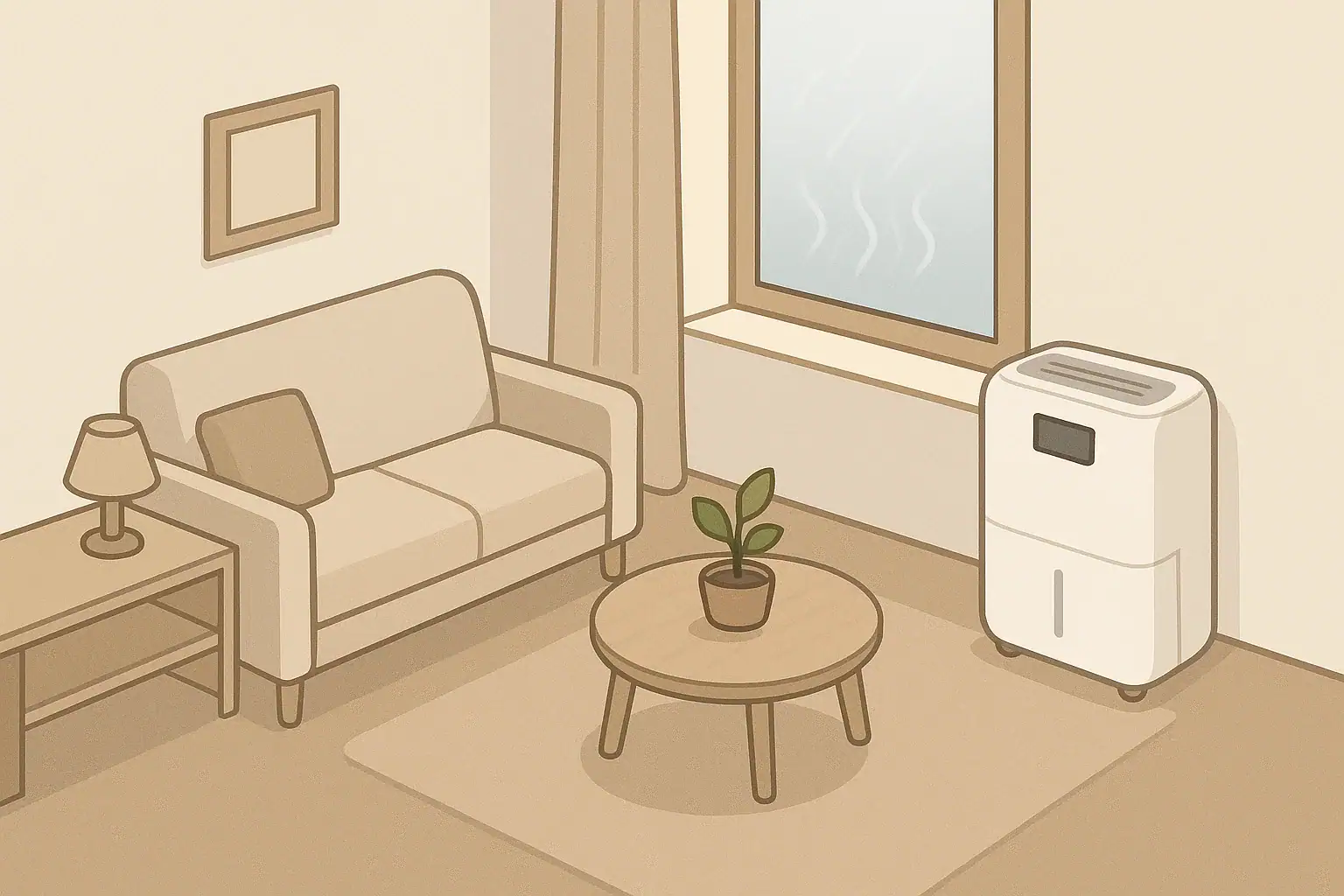
Condensation on windows happens when warm, moist indoor air contacts cooler glass surfaces and reaches its dew point, causing water to form on the glass.
Seeing water, fog, or even ice on your windows is common in many U.S. homes, especially in cooler months. A little moisture can be normal, but persistent or heavy condensation is a sign that indoor humidity, window temperatures, or air circulation need attention. Understanding dew point and a few simple fixes can greatly reduce the problem.
- Aim for indoor humidity around 30–50% in most seasons to reduce window condensation.
- Condensation increases when indoor air is humid and windows are cold, especially on winter mornings.
- Use kitchen and bathroom exhaust fans and vent dryers outside to remove moisture at the source.
- Improve air circulation: open interior doors, use ceiling or small fans on low, keep vents unblocked.
- If humidity stays high (often above 55–60%), consider a dehumidifier or adjusting ventilation.
- Persistent condensation inside double-pane windows can indicate a failed seal that may need professional attention.
What Window Condensation Means and Why It Matters
Condensation on windows is simply water vapor in the air changing into liquid water on a cooler surface. It often shows up as fog, droplets, or streaks on the glass. In cold weather, you may even see frost along the edges of the window.
Small amounts of condensation on very cold days can be normal, particularly on older or single-pane windows. However, when it is frequent, heavy, or persists for many hours, it can signal that:
- Indoor humidity is higher than ideal for comfort and building materials.
- Windows or frames are cold because of poor insulation or air leaks.
- Air is not circulating well near the windows.
Over time, excessive condensation can contribute to staining, peeling paint, damage to window frames, and damp areas that make it easier for mold to grow on nearby surfaces. Managing moisture helps protect both indoor air quality and the building itself.
Dew Point, Humidity, and Why Glass Fogs Up
The key to understanding condensation is the dew point. Dew point is the temperature at which air becomes saturated with moisture and water begins to condense out of it. When the temperature of your window glass is at or below the dew point of the indoor air, condensation forms.
How relative humidity fits in
Relative humidity (RH) is the percentage of water vapor in the air compared with the maximum it could hold at that temperature. Warm air can hold more moisture than cold air, which is why the same amount of water vapor can give very different RH readings at different temperatures.
- At a given moisture level, cooler indoor air has higher RH and a higher chance of condensation.
- At the same temperature, adding moisture to the air (showers, cooking, drying clothes indoors) raises RH and increases condensation risk.
Typical indoor targets
For most U.S. homes, a commonly recommended indoor range for both comfort and building materials is roughly:
- 30–50% RH in many seasons
- On very cold days, some homes may need to be closer to 30–40% RH to limit window condensation, especially with older windows.
If your indoor humidity is much above these ranges for long periods, window condensation becomes more likely, especially on clear, cold nights when glass temperatures drop.
| Observation | Likely issue | Typical actions to consider |
|---|---|---|
| Condensation only on the coldest mornings and clears quickly | Normal response to weather, borderline humidity | Monitor humidity, run bath/kitchen fans, improve air circulation |
| Heavy water on lower glass edges most winter days | High indoor humidity and cold window frames | Reduce moisture sources, check weatherstripping, consider dehumidifier |
| Moisture between double-pane glass layers | Seal failure allowing air and moisture between panes | Consult window professional; replacement or repair may be needed |
| Condensation mainly on one window or wall | Localized cold spot or poor airflow | Check for drafts, improve insulation, move furniture slightly away |
| Condensation even in mild weather | Very high indoor humidity or unvented moisture source | Verify venting of dryers, use exhaust fans, investigate leaks |
| Black spots or musty smell around sill | Prolonged dampness on building materials | Dry area thoroughly, clean surfaces, adjust humidity and ventilation |
Example values for illustration.
Common Causes of Condensation on Windows
Several everyday factors influence how much moisture ends up on your windows. Often, more than one is involved.
1. High indoor humidity
Indoor activities add moisture to the air. Major contributors include:
- Hot showers and baths
- Cooking and boiling water
- Drying clothes indoors or unvented dryers
- Large numbers of houseplants or aquariums in small rooms
- Humidifiers set too high
Without enough ventilation or dehumidification, this moisture builds up and raises RH across the home.
2. Cold window surfaces
Condensation is more likely when the inner glass surface is cold relative to indoor air. Windows can be cooled by:
- Outdoor cold temperatures, especially at night
- Poorly insulated or single-pane windows
- Metal frames without thermal breaks
- Air leaks and drafts around window frames
Even in the same room, some windows may stay colder because of wind exposure or shading, so condensation may appear there first.
3. Poor air circulation near windows
When air is still, a layer of cool, moist air can sit directly against the glass and reach its dew point more easily. Factors that reduce airflow include:
- Heavy curtains or blinds closed for long periods
- Furniture or large objects pushed tightly against exterior walls
- Blocked supply or return vents
- Windows in corners or alcoves with limited airflow
4. Building and weather conditions
Sometimes the building or climate plays a major role:
- New construction or recent renovations can trap extra moisture in materials for months.
- Basements or crawlspaces with damp soil can continuously add moisture to indoor air.
- Sudden cold snaps can make window glass much cooler than usual overnight.
Practical Ways to Reduce Window Condensation
reduce indoor humidity, warm up the interior glass surface, or improve air circulation. Often a combination works best.
1. Control indoor humidity
- Use exhaust fans in bathrooms and kitchens whenever generating steam. Let them run for about 15–20 minutes after showers or cooking.
- Vent dryers outdoors and avoid drying laundry on racks in small, enclosed spaces.
- Adjust humidifiers to maintain roughly 30–50% RH, lower in very cold weather if needed to prevent heavy condensation.
- Watch for hidden moisture sources such as plumbing leaks, damp basements, or uncovered aquariums in small rooms.
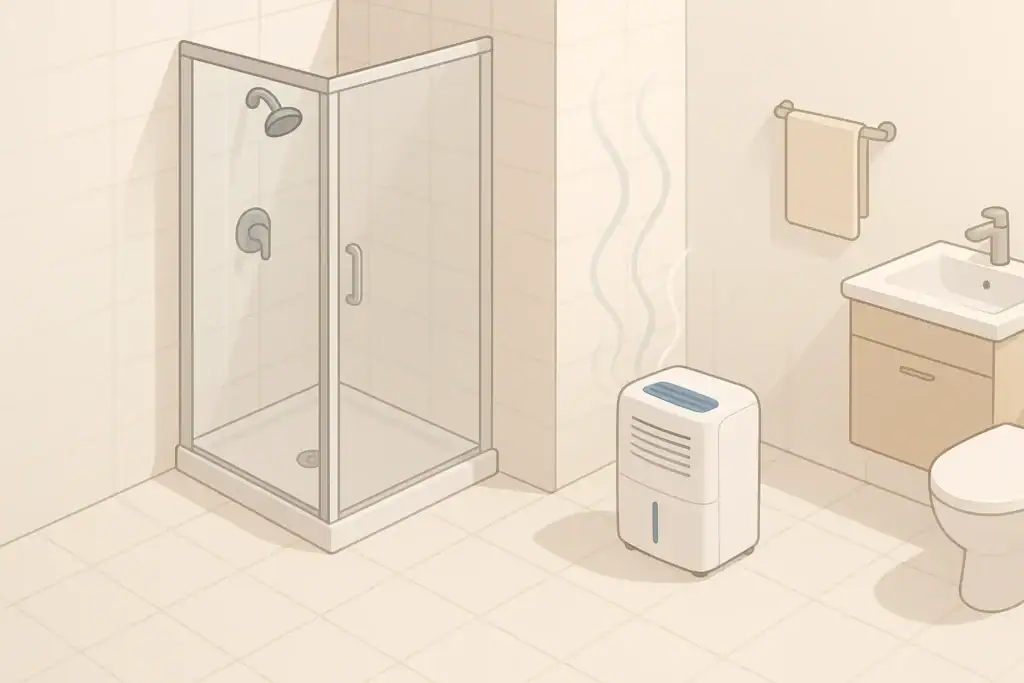
- Use a dehumidifier in consistently damp areas (like basements or window-heavy rooms) if RH tends to stay above 55–60%.
2. Improve ventilation and air exchange
Fresh air helps dilute indoor moisture, especially when outdoor air is cooler and drier:
- Open windows briefly when weather allows, creating cross-ventilation between opposite sides of the home.
- Use mechanical ventilation if available (balanced systems or energy recovery ventilators) to exchange indoor and outdoor air more steadily.
- In apartments, use available exhaust fans effectively and avoid blocking undercut doors, which help air move.
3. Increase air movement near windows
- Keep blinds and curtains slightly open, especially at the bottom, to allow warm room air to reach the glass.
- Pull furniture a few inches away from exterior walls to reduce cold pockets and improve circulation.
- Use ceiling fans on low speed, set to gently push air downward during heating season.
- Ensure supply vents are not blocked by rugs, furniture, or long curtains.
4. Reduce cold spots and drafts
Warming the inner glass surface, even slightly, can move it above the dew point and prevent condensation.
- Seal obvious gaps around window frames with appropriate caulking or weatherstripping.
- Use insulating window coverings or interior storm panels where appropriate, making sure they still allow some airflow and do not trap moisture directly on wood surfaces.
- Check that heating registers are not blocked so warm air can reach windows.
5. Manage moisture seasonally
Condensation patterns change with the seasons, so your approach may need to adjust as well:
- Winter: Focus on humidity reduction, draft sealing, and circulation near windows.
- Shoulder seasons (spring/fall): Take advantage of outdoor air by opening windows when conditions are dry.
- Humid summers: Air conditioning and dehumidifiers can reduce indoor moisture and help keep window surfaces warmer relative to outdoor dew point.
Real-World Scenarios and How to Respond
These simplified examples show how different homes might handle window condensation problems.
Scenario 1: Condensation only in the morning
A home with reasonably new double-pane windows sees fogged glass on the coldest winter mornings, especially after overnight cooking and dishwashing. The condensation usually disappears by midday.
Likely cause: Short periods of higher humidity combined with cold outdoor temperatures.
Helpful steps:
- Run kitchen and bathroom fans during and after use in the evening.
- Keep interior doors open at night to balance humidity.
- Check that heating vents are open near windows.
Scenario 2: Persistent wet sills on older windows
An older home with single-pane windows has water collecting along the bottom edges of several windows through most of the winter. A hygrometer often shows 50–60% RH indoors.
Likely cause: High indoor humidity and cold glass surfaces.
Helpful steps:
- Reduce indoor humidity to closer to 30–40% RH in the coldest months.
- Use a dehumidifier if moisture sources cannot be fully controlled.
- Add weatherstripping and consider interior storm windows or insulating panels.
- Dry window sills regularly to avoid long-term dampness.
Scenario 3: Moisture between panes of glass
Double-pane windows show fog or droplets between the glass layers that do not wipe off from inside or outside.
Likely cause: A failed seal between the panes, allowing air and moisture into the space.
Helpful steps:
- Monitor for drafts or temperature differences near the affected window.
- Consult a window professional; options may include sash or full window replacement.
- Address general humidity issues as well, but note that the failure is primarily a window seal issue.
Scenario 4: New home with widespread condensation
A recently built or renovated home shows condensation on many windows during the first winter, even at moderate indoor humidity readings.
Likely cause: Construction materials releasing residual moisture into the indoor air.
Helpful steps:
- Use mechanical ventilation systems as designed and run exhaust fans regularly.
- Open windows on dry, mild days to help flush moisture.
- Use temporary dehumidification if RH remains high for extended periods.
Condensation, Indoor Air Quality, and Safety Considerations
While condensation itself is just water, it can affect indoor air quality indirectly by creating damp surfaces. Managing it fits into overall moisture and ventilation control in the home.
Mold and dampness concerns
Regularly wet window frames, sills, and nearby walls can stay damp long enough for mold to grow on paint, caulk, or wood. To reduce this risk:
- Wipe up liquid water on sills and frames when you notice it.
- Allow areas around windows to dry fully by opening blinds and improving airflow.
- Address the underlying humidity and temperature issues, not just the visible water.
If you see recurring mold growth, cleaning and moisture control are both important. For large or persistent problems inside walls or building cavities, professional assessment may be helpful.
Ventilation and moisture devices
Many homes use a mix of equipment to manage moisture and air quality, such as bathroom fans, kitchen hoods, dehumidifiers, and whole-house ventilation systems. When choosing or operating such equipment:
- Prefer exhaust and ventilation strategies that move moist air outdoors rather than into attics or crawlspaces.
- Use devices as intended and follow manufacturer instructions; avoid modifying safety features.
- Be cautious with devices marketed as air cleaners that intentionally generate ozone; excess ozone in occupied spaces is generally discouraged by public health and building organizations.
Maintenance, Monitoring, and Ongoing Checks
Keeping condensation under control is easier when you monitor basic conditions and maintain your home’s moisture-control features.
Monitor humidity and temperature
- Use a simple indoor humidity meter to spot trends; check several rooms if possible.
- Note when condensation appears (time of day, weather, activities) to connect it to specific causes.
- Adjust humidifier settings, ventilation, or dehumidification based on these observations.
Maintain fans, windows, and seals
- Clean bathroom and kitchen exhaust fan grilles so they can move air effectively.
- Check that exterior vent flaps open freely and are not blocked.
- Inspect window caulking and weatherstripping periodically and repair if cracked or missing.
- Repaint or reseal window sills and trim if finishes are flaking due to past moisture.
Plan for gradual improvements
Some condensation is related to the basic design or age of the home. Over time, you may choose to:
- Upgrade windows to more efficient models with better insulation value.
- Improve insulation and air sealing in walls and around openings.
- Add or refine mechanical ventilation for more consistent air exchange.
Frequently Asked Questions About Window Condensation
Is a little condensation normal?
Yes. Light fogging or a few droplets on very cold days, especially early in the morning, can be normal, particularly with older or less insulated windows. It becomes more of a concern when water is heavy, long-lasting, or causing damage to surrounding materials.
Can condensation damage my windows?
Over time, repeated wetting of sills, frames, and trim can contribute to peeling paint, staining, swelling of wood, or corrosion of metal parts. Managing humidity and drying surfaces promptly can limit this wear.
Will an air purifier stop window condensation?
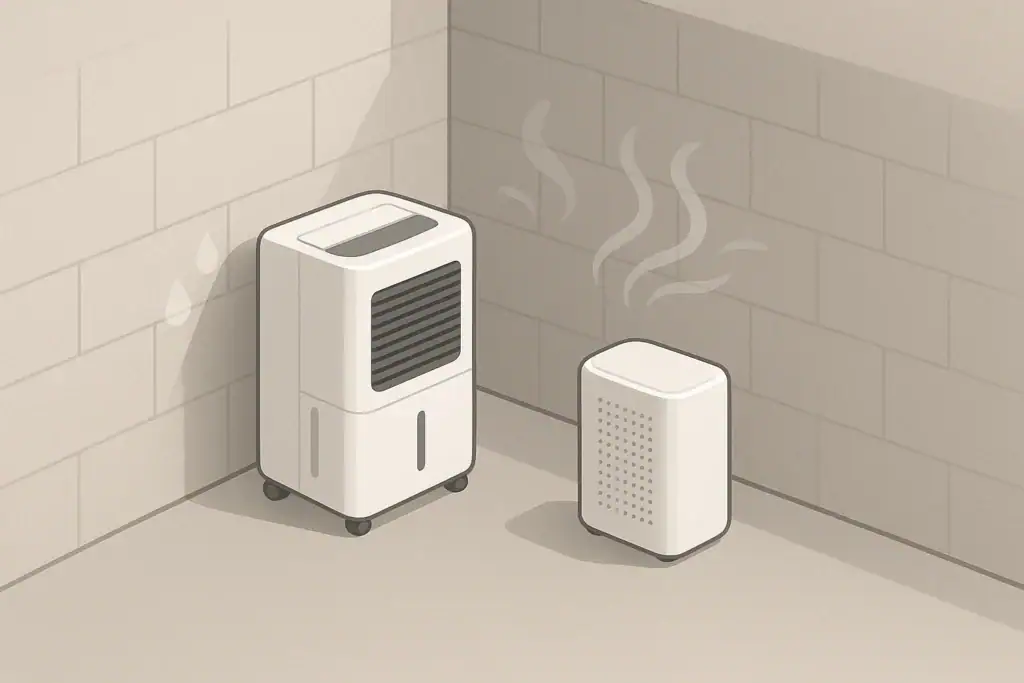
Standard air purifiers are designed to remove particles and sometimes odors, not water vapor. They typically do not change humidity levels enough to affect condensation. Dehumidifiers, ventilation, and humidity control are more direct tools for this issue.
Why do some rooms have more window condensation than others?
Rooms with more moisture sources (bathrooms, kitchens), cooler exterior walls, or poorer airflow tend to show condensation first. Sun exposure, wind direction, and insulation levels can also make some windows colder than others.
Is condensation between window panes a humidity problem?
Indoor humidity may influence how much moisture collects, but fog or droplets trapped between double panes usually point to a failed window seal, not just high room humidity. Addressing the window itself is often necessary.
| Goal | Simple actions | Tools | Note |
|---|---|---|---|
| Keep winter humidity in a comfortable range | Adjust humidifiers, use bath/kitchen fans, reduce indoor drying | Hygrometer, exhaust fans | Aim around 30–40% RH in very cold weather |
| Lower dampness in a basement | Seal obvious leaks, run dehumidifier, improve drainage | Dehumidifier, humidity meter | Check RH regularly, especially in humid seasons |
| Reduce mold risk near windows | Wipe condensation, increase airflow, manage humidity | Fans, hygrometer | Keep materials dry between condensation events |
| Handle short-term high humidity events | Run fans during/after showers and cooking, open window briefly | Bathroom and range fans | Focus on quick moisture removal at the source |
| Monitor whole-home moisture | Measure RH in several rooms at different times of day | Multiple small humidity meters | Look for consistently high readings (often above 55–60% RH) |
| Adjust ventilation seasonally | Use more outdoor air when it is cool and dry | Operable windows, mechanical ventilation | Limit open windows during very humid outdoor conditions |
Example values for illustration.
Related guides: How to Stop Condensation on Windows (And Why It Matters for Mold) • Best Humidity Level for Winter: Comfort vs Health vs Mold Risk • Dehumidifier Capacity Estimator: Room Dampness to Liters/Day
Key Takeaways on Condensation, Dew Point, and Fixes
Condensation on windows is a visible sign of how indoor humidity, temperature, and airflow interact. When warm, moist air touches cooler glass at or below its dew point, water appears. Small amounts can be normal in cold weather, but persistent or heavy condensation is a cue to look at humidity control, ventilation, and window conditions.
By aiming for moderate indoor humidity, using exhaust fans and dehumidification where needed, improving air circulation near windows, and maintaining seals and insulation, most homes can significantly reduce window condensation. Regular observation and small adjustments over time usually make the biggest difference.
Frequently asked questions
How can I tell whether window condensation is caused by high indoor humidity or a failed window seal?
If the moisture wipes away from the glass or appears on the frame and sills, it’s usually due to high indoor humidity or poor ventilation. If fog or droplets are trapped between the panes and cannot be wiped off from inside or outside, that commonly indicates a failed seal and may require professional repair or replacement.
What indoor humidity level should I aim for to reduce condensation on windows in winter?
For most homes, aiming for about 30–50% relative humidity helps reduce condensation, with a target nearer 30–40% on very cold days to limit window fogging. Use a hygrometer to monitor levels and adjust humidifiers, ventilation, or dehumidifiers accordingly.
Will running a dehumidifier or an air purifier reduce window condensation?
A dehumidifier can help by removing excess moisture from the air and lowering relative humidity, which reduces condensation risk. Standard air purifiers remove particles and sometimes odors but do not remove water vapor, so they generally will not stop condensation.
What immediate steps should I take to dry wet sills and prevent mold growth?
Wipe up standing water promptly with an absorbent cloth, then allow the area to dry by improving airflow (open blinds, run fans) and reducing humidity with exhaust fans or a dehumidifier. If you see mold or persistent dampness, clean affected surfaces and address the underlying humidity or leak issues.
When is it time to call a professional about window condensation between panes?
Call a window professional if moisture between panes is persistent, worsening, or accompanied by noticeable temperature differences or drafts at the window. That pattern typically signals a seal failure, and a professional can assess whether repair, resealing, or replacement is the best option.
Recommended next:
- Clear sizing logic (room size → CADR/ACH)
- HEPA vs carbon explained for real use-cases
- Humidity + ventilation basics to reduce mold risk




About this site
Home Air Quality Lab publishes practical, independent guides about indoor air quality—clear sizing, safer use, and real-world expectations.
Affiliate disclosure
Some links on this site may be affiliate links. If you buy through these links, we may earn a small commission at no extra cost to you. This helps support our content. Learn more.