
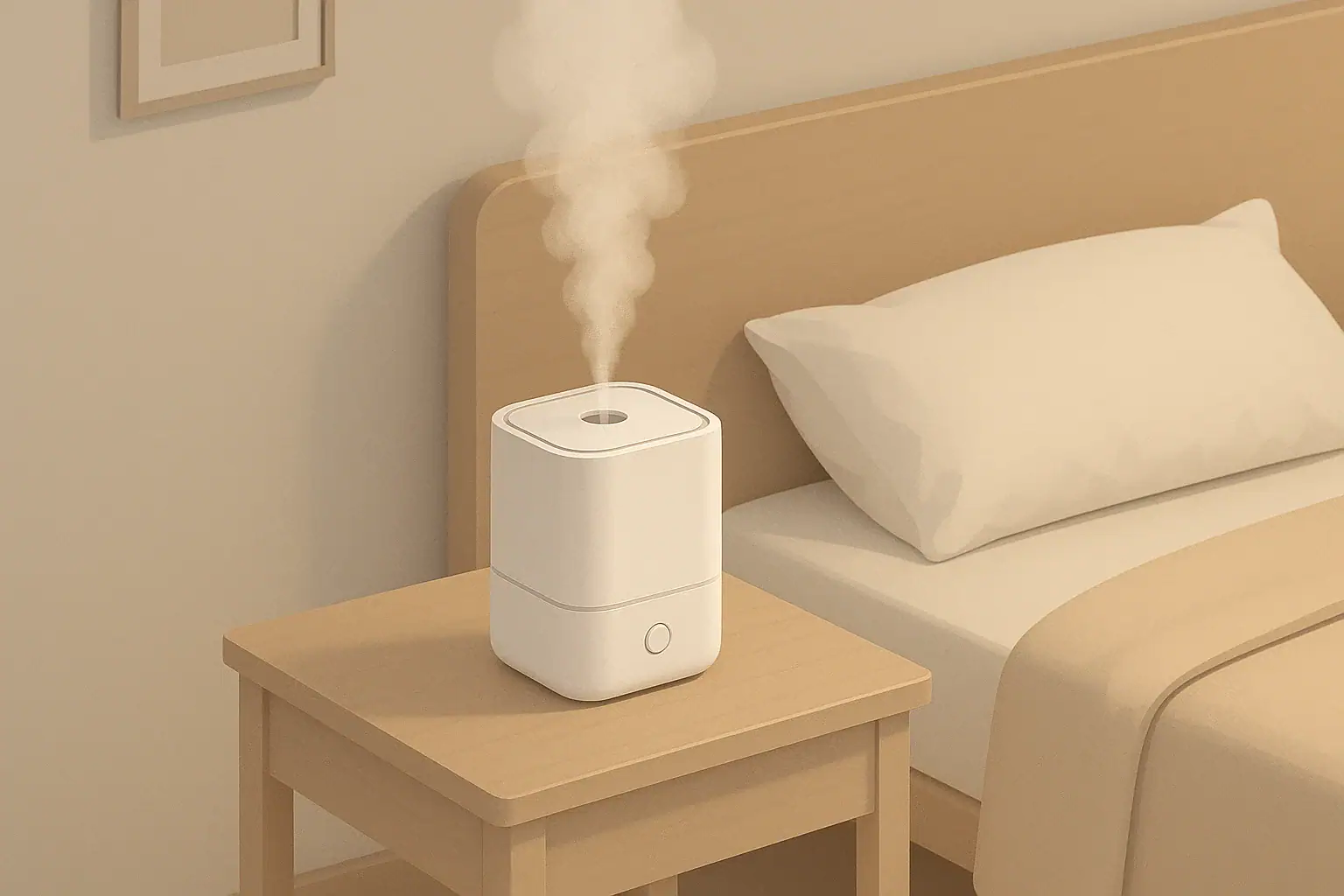
A consistent humidifier cleaning routine using proper draining, rinsing, and disinfection is the most reliable way to prevent slime buildup and odors.
Humidifiers add moisture to dry indoor air, but standing water and warm conditions make their tanks ideal for slimy biofilm and musty smells. With a simple schedule and a few safe cleaning habits, you can keep your humidifier running without the slimy film, white crust, or sour odor that many people notice after just a few days.
- Empty and air-dry the tank daily when in use.
- Rinse with clean water every day; disinfect weekly in typical home use.
- Use distilled or low-mineral water when possible to reduce scale and residue.
- Replace wicks and filters on the schedule in the manual or when discolored/slimy.
- Store the unit dry between seasons to avoid moldy or musty smells.
Why humidifiers get slimy and smelly
Humidifier “slime” is usually a mix of biofilm (microorganisms embedded in a slippery layer) and mineral deposits from water. Odors often come from that biofilm, stale water, or mineral buildup trapping organic material. This is common in US homes during heating season when humidifiers run daily.
Understanding what is happening inside the tank helps explain why regular cleaning is so important:
- Standing water lets microbes multiply and form a film on surfaces.
- Warm temperatures in heated homes speed up growth and odor formation.
- Minerals in tap water form white crusts (scale) that are rough and hold moisture, which encourages more buildup.
- Organic particles (dust, skin flakes) that settle in the tank can feed microbial growth.
This does not mean humidifiers are unsafe by definition, but it does mean they are not “set and forget” devices. They require similar attention to other appliances that hold water, such as coffee makers or ice machines.
Key concepts for a practical humidifier cleaning routine
A good humidifier cleaning routine follows a few simple concepts: remove standing water, break up biofilm, dissolve mineral scale, and keep parts dry when not in use. The exact steps vary by model, but the underlying logic is similar.
Daily vs weekly tasks
Think of humidifier care in two layers:
- Daily: Empty, rinse, and air-dry to interrupt slime formation.
- Weekly (or every few days for heavy use): Disinfect tank and base, and descale mineral buildup.
In drier climates or during peak winter use, you may need to shift “weekly” tasks to every 3–4 days if you notice a slippery feel or faint odor sooner.
Water type and slime formation
The type of water you use has a major effect on both white dust and internal buildup:
- Tap water: Convenient but often high in minerals. Leads to white dust on surfaces (especially with ultrasonic units) and more scale inside the tank and base.
- Distilled or demineralized water: Contains very few minerals, so it greatly reduces white dust and slows scale buildup. It does not eliminate the need for cleaning, but it can make it easier.
- Filtered water (pitcher or faucet filter): May reduce some impurities but often leaves enough minerals to still create scale.
Even with distilled water, microbes from tap water residues, the environment, and the air can still colonize the tank, so disinfection is still necessary.
Understanding your humidifier type
Different designs have different cleaning needs, but all benefit from regular attention:
- Ultrasonic: Uses a vibrating plate to create mist. Often compact and quiet, but can send minerals into the air as white dust. Tanks and mist outlets need frequent cleaning.
- Evaporative (wick-type): Uses a fan blowing over a wet wick. Minerals tend to stay in the wick and base; wicks must be replaced and the base cleaned.
- Warm mist/steam: Boils water before releasing steam. Heat can reduce some microbes in water but scale builds up quickly, and tanks and chambers still need descaling and disinfection.
| Task | How often (typical home use) | Why it matters | Notes |
|---|---|---|---|
| Empty remaining water | Daily, when in use | Removes stagnant water that supports slime and odor | Do not top off over old water |
| Rinse tank with clean water | Daily | Flushes out loose biofilm and particles | Swish and drain thoroughly |
| Air-dry tank and base | Daily, if possible | Dry surfaces slow microbial growth | Leave openings uncapped while drying |
| Disinfect tank and reservoir | Weekly or every 3–7 days | Breaks up settled biofilm | Use a mild, manufacturer-approved disinfectant |
| Descale mineral buildup | Weekly to monthly | Removes rough surfaces that trap slime | Use a mild acid such as household white vinegar |
| Replace wick or filter | Every 1–3 months (example) | Prevents hardened, odor-holding media | Follow specific product instructions |
| Seasonal deep clean and dry storage | At start and end of humidifier season | Prevents musty smell next season | Ensure all parts are fully dry before storing |
Example values for illustration.
Common humidifier cleaning mistakes that cause slime and odors
Certain habits make slime and odor problems more likely, even if the humidifier looks clean from the outside.
1. Topping off instead of emptying
Adding fresh water on top of old water allows microbes to stay in place and keep growing. The water may look clear but the tank walls and base can still be coated with a thin biofilm.
2. Infrequent cleaning during heavy use
Running a humidifier continuously but only cleaning it every few weeks lets scale and biofilm accumulate. By the time a strong odor appears, buildup is usually significant and harder to remove.
3. Ignoring the base or internal reservoir
Many designs have a hidden pool of water in the base that is not obvious when you remove the tank. If this area is not emptied and disinfected, slime can grow there and spread into the tank or mist path.
4. Using harsh or unsuitable cleaners
Strong chemicals can damage plastics, seals, or coatings. Residues can also dry on surfaces and later mix with the water that becomes mist. Mild, manufacturer-approved options are generally preferred, and thorough rinsing is important.
5. Storing the unit wet between seasons
Putting a damp humidifier into a closet or box encourages mold and strong musty smells by the next winter. Even a thin film of water trapped under seals or in crevices can support growth.
Step-by-step daily and weekly cleaning to prevent slime
This section describes a general pattern. Always compare these steps with your manufacturer’s manual and follow any model-specific instructions or limits.
Daily routine when the humidifier is in use
- Turn off and unplug. Allow any hot parts in warm-mist units to cool fully.
- Remove the water tank. Set it on a stable surface near a sink.
- Empty all remaining water. Pour from both the tank and the base or reservoir.
- Rinse the tank. Add clean water, swish thoroughly, and empty again. Avoid abrasive brushes that could scratch plastic and create places for biofilm to cling.
- Rinse the base if allowed. Some bases can be swished with water; others should only be wiped with a damp cloth. Check the manual before submerging any part.
- Air-dry surfaces. Leave the tank uncapped and the base open so moisture can evaporate. Even 15–30 minutes of air-drying is helpful if you refill soon after.
- Refill with fresh water before use. Ideally use distilled or low-mineral water, especially in ultrasonic units.
Weekly (or every few days) disinfection and descaling
Frequency depends on how heavily you use the humidifier and your water quality. If you notice a slimy feel or odor sooner, shorten the interval.
- Prepare a mild cleaning solution.
- For scale (white crust), many people use household white vinegar diluted with water as a mild acid cleaner.
- For disinfection, use a cleaner recommended by the manufacturer. Some manuals allow a dilute unscented bleach solution; follow their ratios exactly and never mix bleach with vinegar or other cleaners.
- Descale mineral deposits.
- Fill or soak the mineral-coated areas with diluted vinegar for 15–30 minutes (example duration).
- Gently wipe or use a soft brush to loosen softened scale.
- Rinse thoroughly with clean water until any vinegar smell is gone.
- Disinfect water-contact surfaces.
- Apply the recommended disinfecting solution to the tank, cap, and any reservoir surfaces.
- Let it sit for the recommended contact time in the manual.
- Rinse several times with clean water to remove residual cleaner.
- Inspect and clean small parts.
- Check mist nozzles, float assemblies, and caps for slime or deposits.
- Rinse and gently brush them if allowed.
- Dry as much as practical.
- Let the tank and base air-dry before refilling, especially after using disinfectants.
Real-world routines and scenarios
Different households will adjust their humidifier maintenance to fit their routines and environments. Here are some common scenarios and how cleaning patterns might adapt.
Bedroom humidifier running every night in winter
- Use pattern: 8–10 hours each night, turned off during the day.
- Daily: Empty and rinse each morning; leave tank uncapped to dry while at work or during the day.
- Weekly: Descale and disinfect tank and base; check filters or wicks for discoloration.
Whole-day use in a dry climate
- Use pattern: 16–24 hours of operation per day in a very dry home.
- Daily: Empty and rinse when refilling, sometimes more than once a day.
- Every 3–4 days: Perform a full disinfecting and descaling routine, since heavy use speeds up buildup.
Occasional use in a mild climate
- Use pattern: A few nights per week during drier spells.
- Each use: Fill with fresh water only when needed, and empty after the night’s use rather than leaving water standing.
- Every 1–2 weeks: Disinfect and descale, even if the device was not used daily.
Transition to storage at end of season
- Do a thorough descale and disinfection.
- Dry all components completely, including wicks if they are to be reused, or discard wicks per instructions.
- Store in a dry, breathable container or shelf rather than sealed plastic if moisture may be trapped.
Safety and standards considerations
Safe humidifier use is not just about cleanliness. It also involves humidity levels, cleaning agents, and appliance handling.
Safe humidity ranges
Indoor relative humidity that is too high can encourage mold and dust mites, while very low humidity can feel uncomfortable. Many sources suggest keeping indoor humidity in a moderate range (often around 30–50% as a general comfort guideline), but the ideal level can vary by home and season. A simple hygrometer can help you see when you are running much drier or more humid than you intend.
Choosing cleaning agents wisely
- Follow the manufacturer’s recommendations on which cleaners are acceptable.
- Avoid mixing cleaning products, especially bleach with vinegar or other acids.
- Rinse until there is no noticeable odor from cleaners and let parts air-dry when possible.
Built-in features like UV or antimicrobial parts
Some humidifiers include UV lights or antimicrobial surfaces intended to reduce microbial growth. These can be part of the design, but they do not remove the need for regular physical cleaning and rinsing. Surfaces can still accumulate minerals and organic material that contribute to slime and odors.
General appliance safety
- Always unplug before cleaning.
- Do not immerse electrical components unless the manual explicitly allows it.
- Avoid placing humidifiers where they can saturate nearby surfaces (windowsills, electronics, or floors).
Ongoing maintenance, filters, and cost planning
A humidifier’s long-term performance depends on more than tank cleaning. Wicks, filters, and other consumable parts slowly clog or degrade, which can contribute to odor and reduced output.
Wick and filter replacement
- Evaporative wicks gradually harden with mineral deposits and may darken or develop an odor. They often need replacement every 1–3 months of regular use, depending on water hardness and runtime.
- Other filters or cartridges (such as mineral-reduction inserts) have manufacturer-specified lifespans, which may range from weeks to months.
- Replacing these parts on schedule helps maintain moisture output and reduces areas where slime and odor can develop.
Energy and water use
- Energy: Ultrasonic and evaporative units usually use modest electricity; warm-mist units typically use more because they heat water.
- Water: Daily water use depends on the unit’s capacity and settings. Being aware of daily output can help you plan refills and cleaning times.
Planning for seasonal operation
- Estimate your humdifier season length (for example, a few winter months) and budget for replacement wicks or filters over that time.
- Factor in distilled water costs if you choose to avoid tap water, or consider where water hardness sits in your area.
| Goal | Simple actions | Tools | Note |
|---|---|---|---|
| Avoid very dry air in winter | Use a cleaned humidifier in key rooms; close doors at night | Humidifier, basic hygrometer | Check that humidity does not rise excessively |
| Reduce condensation on windows | Lower humidifier setting; use exhaust fans in kitchens/baths | Hygrometer, exhaust fans | Condensation can signal local high humidity |
| Limit mold risk in damp areas | Avoid adding humidity; consider dehumidification if needed | Dehumidifier or ventilation | Clean visible moisture and fix leaks promptly |
| Balance comfort and dryness from heating | Run humidifier only as needed, based on readings | Humidifier, hygrometer | Adjust by room size and how the space feels |
| Monitor seasonal changes | Spot-check humidity a few times a week | Hygrometer | Helps decide when to start or stop humidifier use |
| Prepare for storage | Deep clean, dry, and store in a dry place | Cleaning supplies, storage shelf | Prevents musty smells next season |
Example values for illustration.
Related guides: How to Clean a Humidifier Properly (And How Often) • Humidifier White Dust: Causes, Health Concerns, and Fixes • Best Indoor Humidity Level to Prevent Mold (With Seasonal Targets) • Ultrasonic vs Evaporative Humidifiers: Pros, Cons, and Which to Buy
Key takeaways: keeping humidifiers fresh and odor-free
Preventing slime and odors in a humidifier is mainly about consistency, not complexity. Emptying and rinsing daily, disinfecting and descaling on a regular schedule, and using water with fewer minerals all help keep internal surfaces smoother and cleaner. Replacing wicks and filters when they are spent, drying the unit before storage, and watching overall indoor humidity levels round out a practical routine. With these habits, a humidifier can support comfortable indoor air without the stagnant smell or slimy buildup that many people associate with neglected units.
Frequently asked questions
How often should I clean my humidifier to prevent slime?
A consistent daily routine of emptying, rinsing, and air-drying with a weekly (or every 3–7 days for heavy use) disinfection and descaling is recommended to prevent slime buildup. Adjust the disinfecting interval to every 3–4 days if you notice slime or odor sooner.
What disinfectants are safe to use in a humidifier tank?
Use the disinfectants recommended by your humidifier’s manufacturer; some manuals allow a dilute unscented bleach solution used at specified ratios, while vinegar is commonly used for descaling. Never mix bleach with acids (such as vinegar), follow contact-times in the manual, and rinse thoroughly until no cleaner odor remains.
Will using distilled water eliminate the need for cleaning?
Distilled or demineralized water greatly reduces mineral scale and white dust, making maintenance easier, but it does not prevent microbial colonization. Regular rinsing and periodic disinfection are still necessary to control biofilm and odors.
Is it acceptable to top off the tank instead of emptying daily?
No. Adding fresh water on top of old water allows microbes and biofilm to persist and continue growing, so you should empty and rinse the tank daily rather than topping off.
How should I store my humidifier between seasons to avoid mold and musty smells?
Perform a thorough descaling and disinfection, rinse and dry all components completely (or replace disposable wicks per the manual), and store the unit in a dry, well-ventilated space. Avoid sealing a damp unit in airtight containers, which can promote mold growth.
Recommended next:
- Best Humidity Level for Winter: Comfort vs Health vs Mold Risk
- Ultrasonic vs Evaporative Humidifiers: Pros, Cons, and Which to Buy
- Humidifier White Dust: Causes, Health Concerns, and Fixes
- How to Clean a Humidifier Properly (And How Often)
- Ideal Indoor Humidity in Winter: Comfort vs Mold Risk
- More in Humidifiers →
- Clear sizing logic (room size → CADR/ACH)
- HEPA vs carbon explained for real use-cases
- Humidity + ventilation basics to reduce mold risk




About this site
Home Air Quality Lab publishes practical, independent guides about indoor air quality—clear sizing, safer use, and real-world expectations.
Affiliate disclosure
Some links on this site may be affiliate links. If you buy through these links, we may earn a small commission at no extra cost to you. This helps support our content. Learn more.