
Carbon Filters & VOCs
Odors and VOCs explained: carbon types, contact time, capacity, and realistic expectations.
Explore topics
Cooking Odors: Carbon Filters, Range Hoods, What Works
Understand how to reduce cooking odors using range hoods, carbon filters, and simple ventilation habits, with practical targets,…
New Furniture Smell: Ventilation vs Carbon Filters Guide
Learn how to clear new furniture smell faster with ventilation and carbon filters. Understand VOCs, timing expectations, and…
VOC Sensors vs Real VOCs: How to Interpret “TVOC” Readings
Learn what TVOC readings on home air quality monitors really mean, how VOC sensors work, and how to…
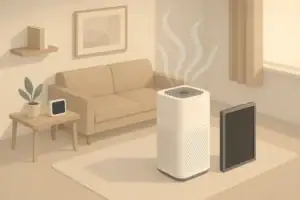
Formaldehyde in Homes: What Carbon Can Remove (and What It Can’t)
Learn how activated carbon filters handle formaldehyde in homes, where they fall short, and how ventilation, humidity control,…
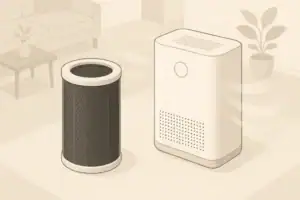
How Much Carbon Do You Need for Odors? Weight, Depth, and Contact Time
Learn how much activated carbon you need for home odor control, including weight, filter depth, and contact time…
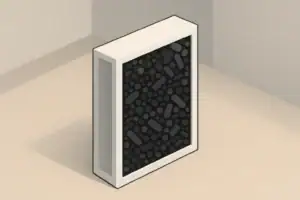
Activated Carbon Types: Pellet vs Granular vs Impregnated Carbon
Learn how pellet, granular, and impregnated activated carbon compare for home air purifiers, VOC and odor control, and…
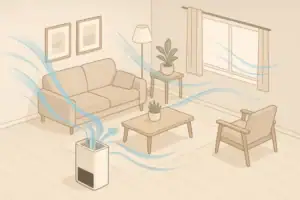
Formaldehyde in Homes: Sources, Risks, and How to Reduce It
Learn where formaldehyde in homes comes from, its health risks, typical indoor levels, and practical ways to reduce…
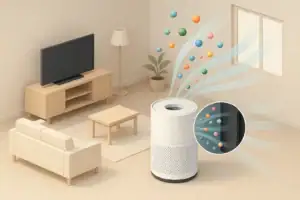
How Much Activated Carbon Do You Need to Remove Odors?
Learn how much activated carbon you need to remove odors and VOCs from indoor air, including key factors,…
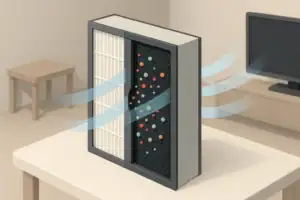
Activated Carbon Filters Explained: VOCs, Odors, and What They Can’t Do
Learn how activated carbon filters work, what VOCs and odors they remove, where they fall short, and how…